
The Rose Bay Prep Standard: Why Surface Preparation Determines a Premium Result
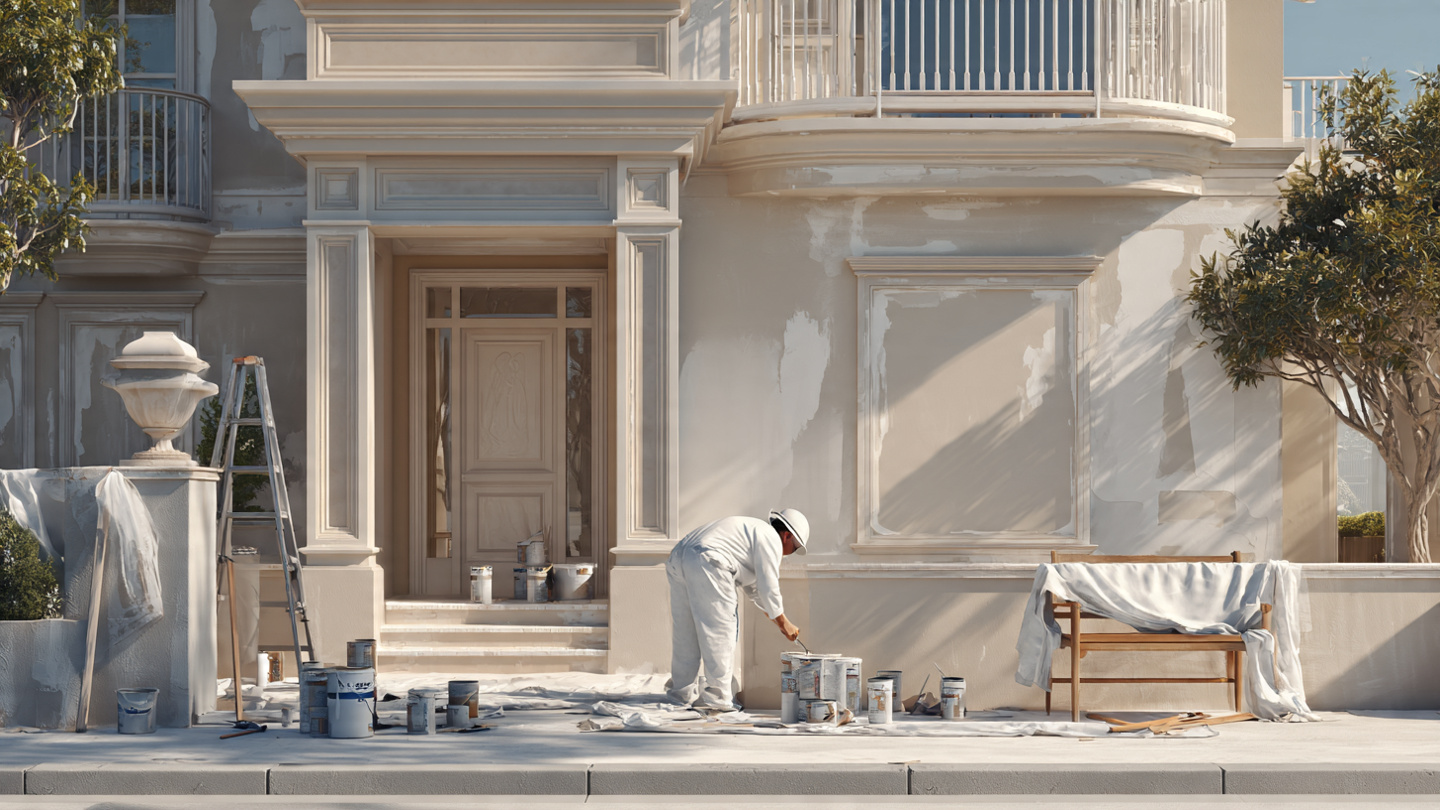
The quality of any painting or coating application is inextricably linked to the thoroughness of its underlying surface preparation. In an environment as discerning as Rose Bay, where luxury aesthetics meet the challenges of a coastal climate, this principle is not merely a recommendation but a foundational standard—the “Rose Bay Prep Standard.” This article explores the critical role of surface preparation in achieving premium, durable results in residential painting, detailing the processes and methodologies employed to meet the high expectations prevalent in this prestigious Sydney suburb.
Surface preparation, often overlooked by the untrained eye, is the most crucial phase of any painting project. It dictates adhesion, longevity, and the aesthetic quality of the final finish. Without adequate preparation, even the highest quality paints applied by the most skilled hand will fail prematurely, manifesting in defects such as peeling, blistering, and uneven textures. Think of it as the bedrock of a magnificent edifice; no matter how grand the structure above, if the foundation is weak, the entire construction is compromised. With more than 16 years experience, Sydney Wide Painters & Decorators provide top-quality residential painting services.
Adhesion: The Prime Directive
The primary goal of surface preparation is to create an optimal substrate for primer and paint adhesion. This involves ensuring the surface is clean, dry, sound, and properly profiled. Adhesion is not a monolithic concept; it comprises mechanical adhesion (where the coating locks into surface irregularities) and chemical adhesion (where molecular forces bind the coating to the substrate). Both are maximized through meticulous preparation.
Longevity: A Guard Against Deterioration
Beyond immediate adhesion, proper preparation significantly extends the lifespan of a painted surface. By removing contaminants and creating a stable base, it inhibits under-film corrosion, rot, and other forms of substrate degradation that can undermine the coating from beneath. This is particularly relevant in coastal environments like Rose Bay, where salt air and humidity accelerate material deterioration.
Aesthetic Outcome: The Unseen Artistry
While visible defects like peeling are easily attributable to poor preparation, subtle imperfections also emerge. Uneven sheen, brush marks, and poor color uniformity can all be exacerbated by a poorly prepared surface. A perfectly smooth, clean, and consistent substrate acts as a canvas, allowing the paint to perform optimally and reveal its intended finish.
In the context of achieving a premium finish in painting projects, the article titled “Expert Interior Painters in Sydney” provides valuable insights into the importance of surface preparation. As highlighted in The Rose Bay Prep Standard: Why Surface Preparation Determines a Premium Result, the quality of the final outcome is heavily influenced by the thoroughness of the preparatory work. For those looking to enhance their understanding of this critical aspect, the related article can be found here: Expert Interior Painters in Sydney.
Core Principles of the Rose Bay Prep Standard
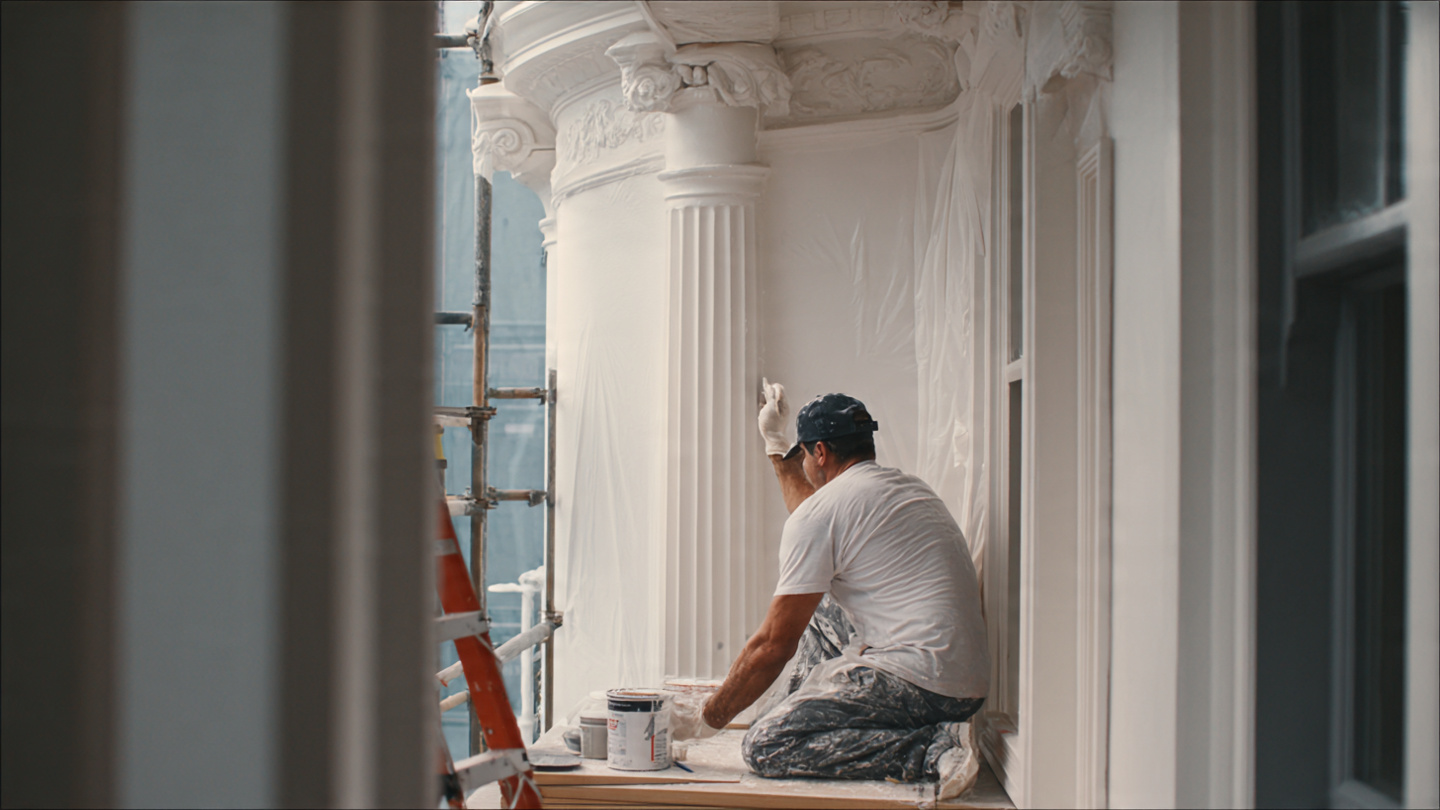 Transforming a home in Rose Bay requires a delicate balance between luxury aesthetics and durable protection. At Sydney Wide Painters & Decorators, we specialize in high-end residential painting that complements the sophisticated architecture of one of Sydney’s most prestigious harbor-side suburbs. Our approach is built upon a series of meticulously observed principles, ensuring every surface is ready to receive a premium finish.
Comprehensive Assessment and Diagnosis
Before any physical work commences, a thorough assessment of the existing surface is mandatory. This involves:
- Substrate Identification: Determining the material (timber, plaster, concrete, metal, etc.) and its specific characteristics.
- Condition Analysis: Identifying existing paint failures (cracking, peeling, chalking, blistering), previous repairs, and structural issues.
- Environmental Factors: Considering exposure to sunlight, moisture, salt spray, and prevailing winds that may impact surface integrity.
- Contaminant Identification: Detecting the presence of dirt, grease, mold, mildew, efflorescence, and other foreign substances.
This diagnostic phase is akin to a medical examination, where understanding the patient’s history and current condition is vital for prescribing the correct treatment. Ignoring this step is akin to painting over a problem, rather than solving it.
Strategic Removal of Old Coatings and Contaminants
The removal of compromised or incompatible existing coatings and all surface contaminants is non-negotiable. This process is not merely about stripping paint; it’s about creating a pristine foundation.
- Loose or Failing Paint: All flaking, blistering, or poorly adhering paint must be completely removed. This can involve scraping, sanding, or chemical strippers, chosen based on the substrate and existing paint type. For Federation-style homes with multiple layers of historical paint, careful evaluation is paramount to avoid damaging delicate architectural features.
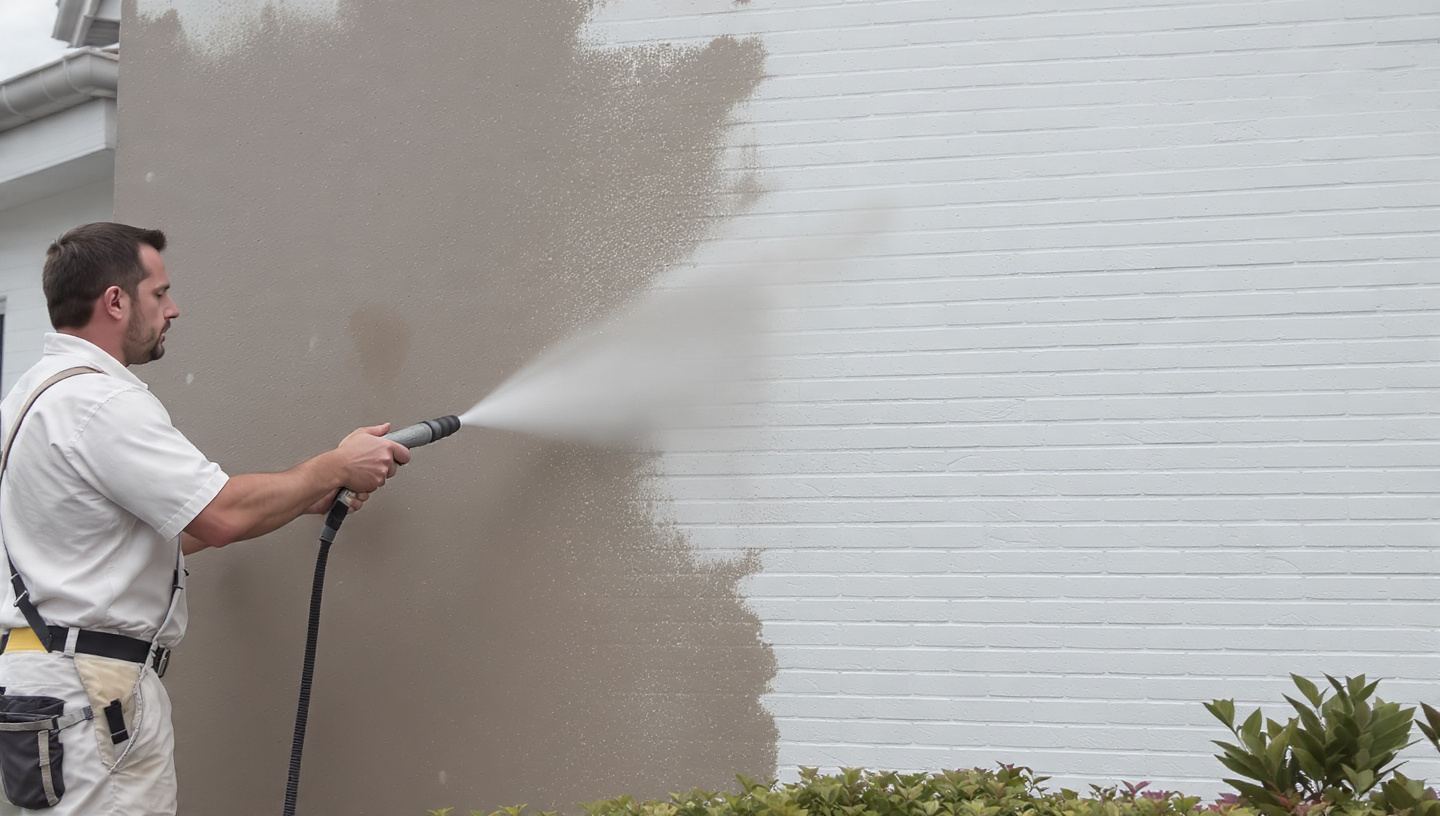
- Cleaning and Degreasing: Surfaces must be meticulously cleaned to remove dirt, grime, oil, grease, and other residues. Detergent washing, solvent wiping, and pressure washing (with appropriate pressure settings for the substrate) are common methods. In Rose Bay, the removal of salt deposits from exterior surfaces is particularly critical to prevent future adhesion issues.
- Mold and Mildew Treatment: Fungal growth, prevalent in humid coastal areas, requires specific fungicidal treatments to kill spores and prevent recurrence. Simply painting over mold will result in its eventual reappearance.
- Efflorescence Removal: White crystalline deposits on masonry surfaces, known as efflorescence, must be mechanically removed and the underlying moisture source addressed, otherwise, they will push through new coatings.
Specialized Preparation for Diverse Rose Bay Architecture
Expert Residential Painting in Rose Bay, whether for a classic Federation-style home or a sleek contemporary residence, requires 25 years of experience to every project. We understand that Rose Bay homeowners demand perfection, which is why our surface preparation adapts to the unique demands of each architectural style and material.
Timber Surface Preparation
Timber, a prevalent material in many Rose Bay homes, demands specific preparation techniques to ensure its longevity and aesthetic appeal.
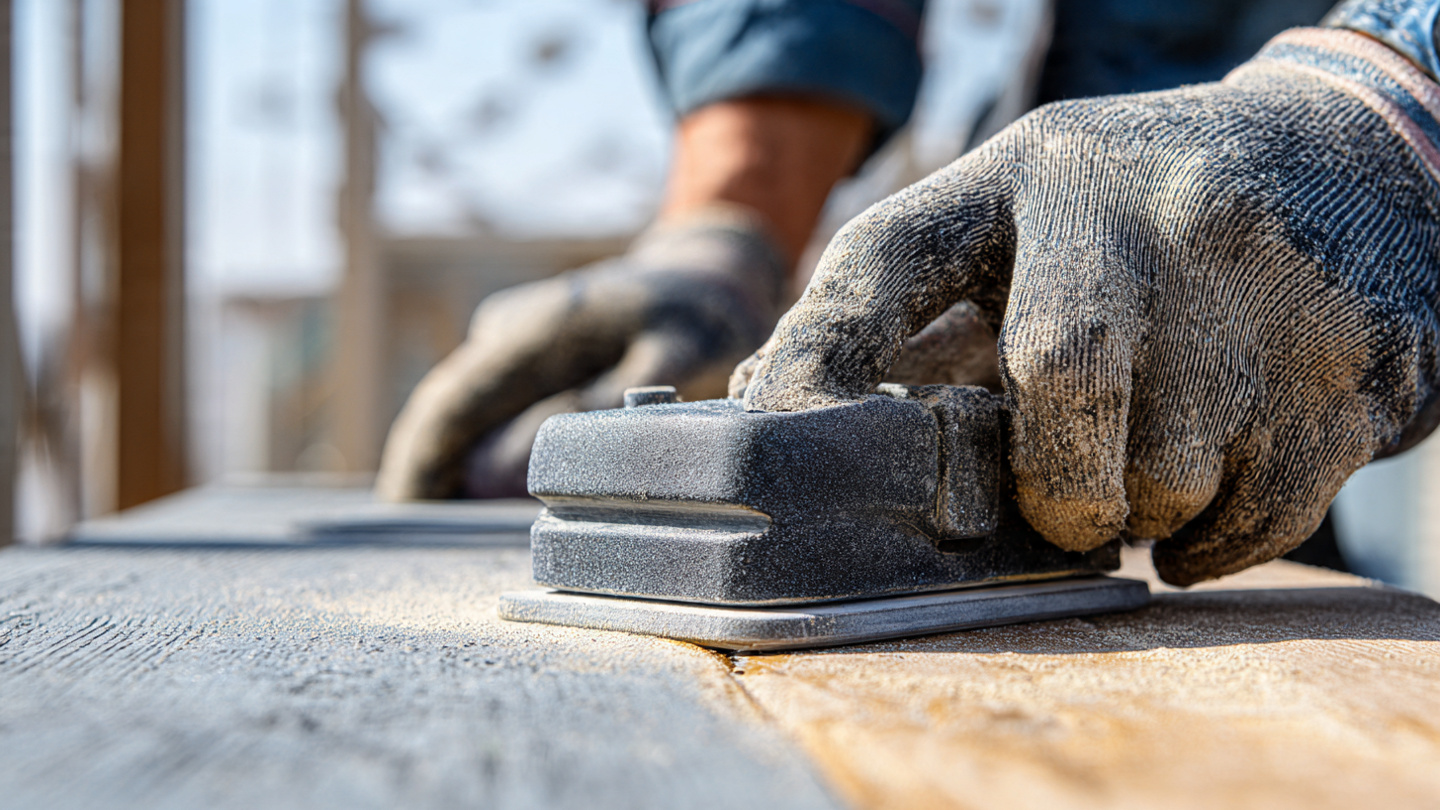
- Sanding and Filling: Smooth, consistent surfaces are achieved through thorough sanding, removing old finishes, rough patches, and minor imperfections. Any holes, cracks, or gouges are meticulously filled with appropriate timber fillers, ensuring a seamless finish. The grain of the timber must be adequately profiled for optimal mechanical adhesion.
- Knot Sealing: Knots in timber can bleed resin or sap, causing discoloration in the final paint finish. These areas require specific knotting solutions or shellac-based primers to seal them effectively, preventing bleed-through, much like sealing a leak before re-pressurizing a pipe.
- Weathered Timber Restoration: Severely weathered or greyed timber surfaces require more aggressive preparation, often involving sanding back to bare wood to restore its natural color and prepare it for staining, varnishing, or painting.
Masonry and Render Preparation
Rose Bay boasts homes with various masonry finishes, from brickwork to rendered facades. Each requires a specialized approach.
- Repairing Cracks and Spalling: Hairline cracks are typically filled with flexible exterior grade fillers. Larger structural cracks may require specialist assessment and repair before painting. Spalling (flaking of brick or render) needs to be addressed by removing the compromised material and patching with suitable repair mortars.
- Cleaning and Etching: Masonry surfaces are often cleaned via pressure washing, followed by the application of fungicidal washes if mold or mildew is present. In some cases, mild acid etching may be used to create a more porous surface for improved primer adhesion, particularly on very dense or smooth render.
- Consolidation of Friable Surfaces: Old or chalky render surfaces may require a stabilizing or consolidating primer to bind loose particles and create a sound base for subsequent coats.
 Metal Surface Preparation
Metal elements, from railings to window frames and downpipes, are susceptible to corrosion, especially in salt-laden air.
- Rust Removal: All rust must be mechanically removed using wire brushes, sandpaper, or power tools. Leaving even minor rust spots is like leaving a cancerous cell; it will inevitably spread and compromise the new coating.
- Degreasing and Cleaning: Metal surfaces often accumulate oil and grease, which must be thoroughly removed with suitable degreasers to ensure proper primer adhesion.
- Priming: A specialized self-etching or anti-corrosive primer is immediately applied to bare metal, providing the crucial protective barrier against rust formation.
The Role of Primers: The Unsung Heroes
Primers are arguably the most critical component in the “Rose Bay Prep Standard,” acting as an intermediary layer between the prepared substrate and the topcoats. They perform a multitude of functions:
- Enhanced Adhesion: Primers are specifically formulated to bond exceptionally well to the prepared surface and provide an ideal surface for subsequent paint layers, functioning as a molecular bridge.
- Increased Durability: They enhance the overall durability of the paint system, contributing to better chip and peel resistance.
- Blocking Stains and Odors: Stain-blocking primers prevent tannins in timber, water stains, and other contaminants from bleeding through the topcoat. Certain primers can also seal in odors.
- Uniform Porosity: Primers equalize the porosity of the substrate, ensuring that topcoats absorb evenly, leading to a consistent finish and color. This is critical for achieving that “velvet-like finish” on interior walls.
- Corrosion Resistance: Anti-corrosive primers are essential for metal surfaces, offering a vital layer of protection against rust in the harsh coastal environment.
- Harbour-Resistant Exteriors: The salt air from the harbor can be harsh on masonry and timber. We apply specialized protective coatings that prevent peeling and corrosion while maintaining a fresh look. This often involves the strategic selection and application of robust primers designed to resist moisture ingress and salt attack.
In the pursuit of achieving a flawless finish in any painting project, understanding the importance of surface preparation is crucial, as highlighted in The Rose Bay Prep Standard: Why Surface Preparation Determines a Premium Result. For those looking to elevate their home’s aesthetic, exploring expert insights on how professional house painters can transform your space is invaluable. You can read more about this in the article on transforming your home with expert house painters in Sydney.
Quality Assurance and The Art of Meticulousness
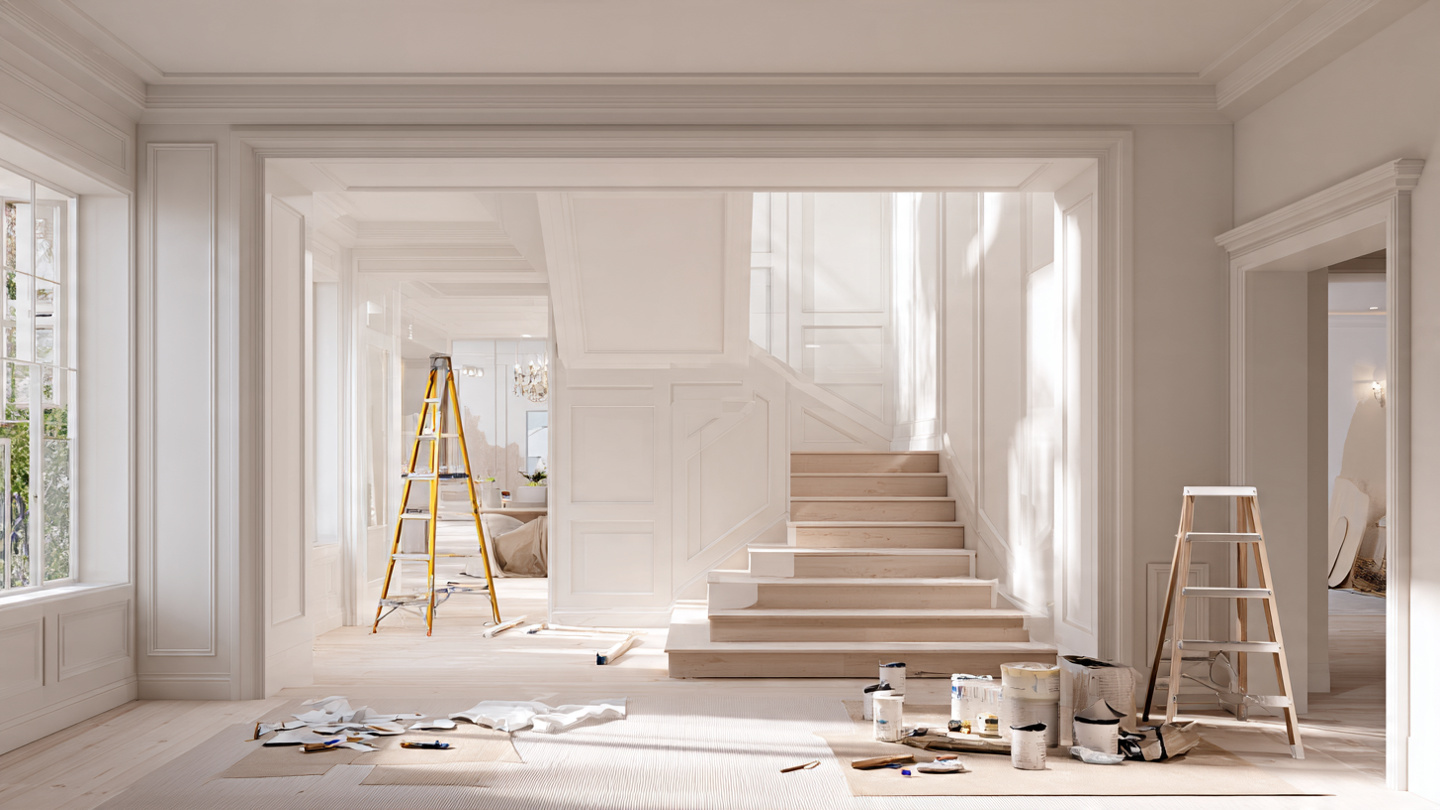
The Rose Bay Prep Standard is not merely a checklist; it is an ingrained ethos of meticulousness and uncompromised quality. It ensures that every step, from the initial assessment to the final wipe-down, is executed with precision.
Inspection and Verification
At each stage of preparation, the surface is inspected to ensure it meets established benchmarks. This includes:
- Cleanliness Tests: Wiping surfaces with a clean, white cloth to check for dirt or residue.
- Moisture Content Checks: Using moisture meters to ensure timber and masonry are at appropriate moisture levels before priming.
- Adhesion Tests: Performing cross-hatch adhesion tests on patched or previously painted areas to verify the integrity of the substrate and old coatings.
Environmental Controls
Maintaining optimal environmental conditions during preparation and painting is crucial. This involves:
- Temperature and Humidity Monitoring: Protecting surfaces from extreme temperatures and high humidity that can affect the drying and curing of primers and paints.
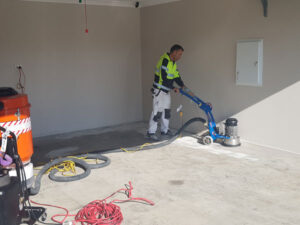
- Dust Control: Employing sanding equipment with integrated dust extraction and masking off areas to prevent dust contamination, both for aesthetic and health reasons.
The “Rose Bay Prep Standard” is a testament to the understanding that true luxury is not just about the visible finish, but about the invisible integrity beneath. It is the commitment to ensuring that every surface is treated with the care and scientific precision required to achieve a flawless, long-lasting, and aesthetically superior result. This meticulous approach separates a satisfactory paint job from an exceptional one, upholding the high standards expected in one of Sydney’s most prestigious suburbs.