
Roof Painting & Membrane Coatings in Rose Bay: Extend Roof Life and Improve Street Appeal
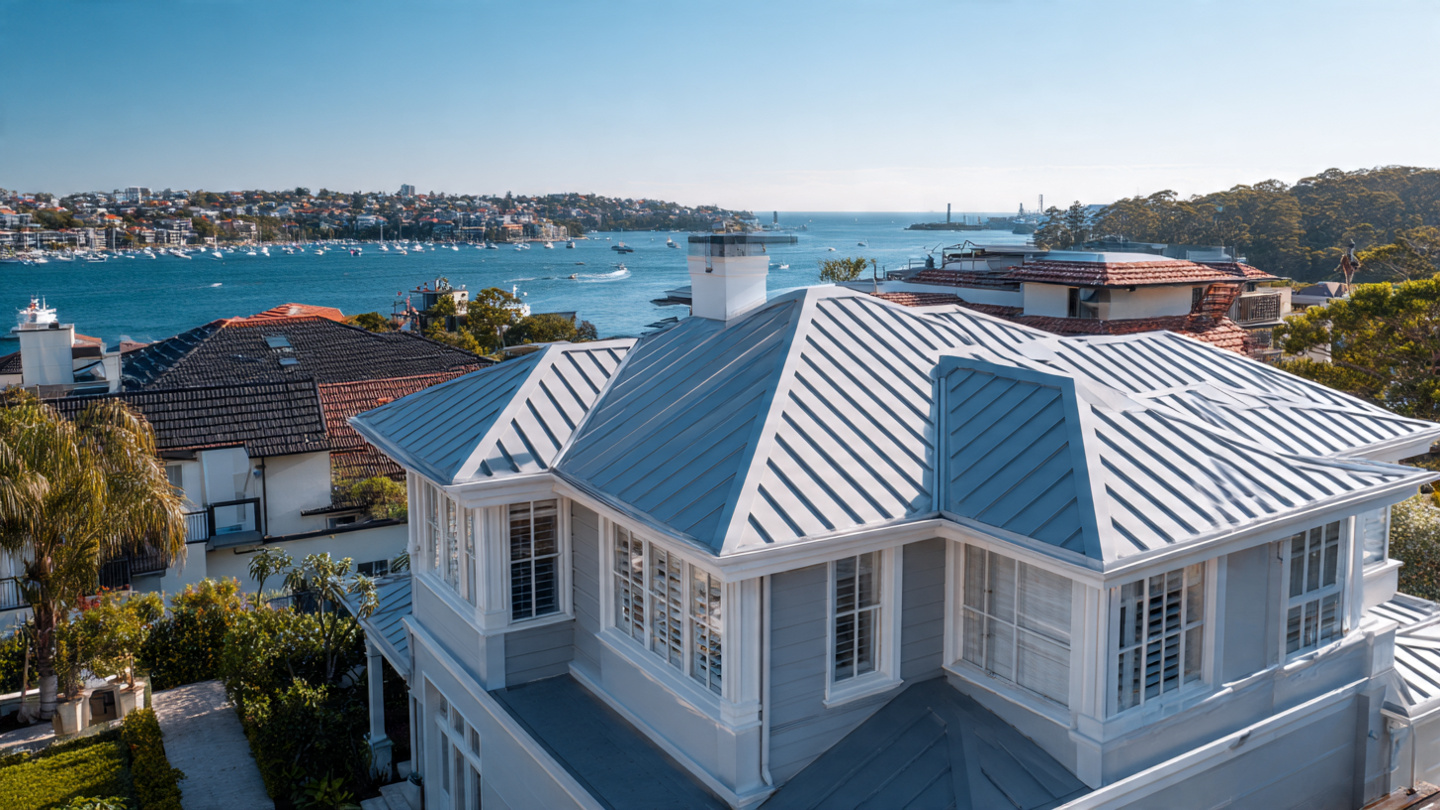
The roofs of residences in Rose Bay, a distinguished harbor-side suburb of Sydney, are frequently exposed to the elements. This exposure, combined with the unique microclimate influenced by the nearby harbour, necessitates proactive maintenance to ensure longevity and preserve aesthetic appeal. Roof painting and the application of advanced membrane coatings represent crucial interventions in this regard. These services, when undertaken by experienced professionals, can significantly extend the lifespan of a roof, protect the underlying structure from water ingress, and enhance the overall street appeal of a property. With more than 16 years experience, Sydney Wide Painters & Decorators provide top-quality residential painting services.
Transforming a home in Rose Bay requires a delicate balance between luxury aesthetics and durable protection. At Sydney Wide Painters & Decorators, we specialize in high-end residential painting that complements the sophisticated architecture of one of Sydney’s most prestigious harbor-side suburbs.
Expert Residential Painting in Rose Bay
Whether you own a classic Federation-style home or a sleek contemporary residence, our team brings 25 years of experience to every project. We understand that Rose Bay homeowners demand perfection, which is why we focus on:
Premium Interior Finishes
From ornate ceiling roses to modern minimalist walls, we use high-quality paints like Dulux and Taubmans to achieve a flawless, velvet-like finish.
Harbour-Resistant Exteriors
The salt air from the harbour can be harsh on masonry and timber. We apply specialized protective coatings that prevent peeling and corrosion while maintaining a fresh look.
While Sydney Wide Painters & Decorators are experts in the broader aspects of residential painting, the specific focus of roof coatings and membrane applications is a distinct area of building maintenance. This article will delve into the technical aspects and benefits of employing these specialized treatments for Rose Bay properties.
Rose Bay, like many coastal Australian suburbs, presents a unique set of environmental challenges for building exteriors, particularly roofs. The constant proximity to saltwater, combined with intense UV radiation and periodic heavy rainfall, can accelerate the natural process of material degradation. Understanding these factors is the first step towards implementing effective protective measures.
The Impact of Salt Air and Humidity
The salt-laden air emanating from Sydney Harbour is a persistent presence in Rose Bay. Salt crystals can settle on roofing materials, contributing to a corrosive process. Over time, this can lead to:
- Corrosion of Metal Components: Flashings, gutters, and any exposed metal fixtures are susceptible to rusting and weakening.
- Erosion of Surface Finishes: Protective coatings on tiles or metal sheeting can be gradually worn away, exposing the underlying material.
- Brittleness in Organic Materials: While less common, prolonged exposure to certain salts and high humidity can impact organic components within roofing underlays.
Solar Radiation and Thermal Cycling
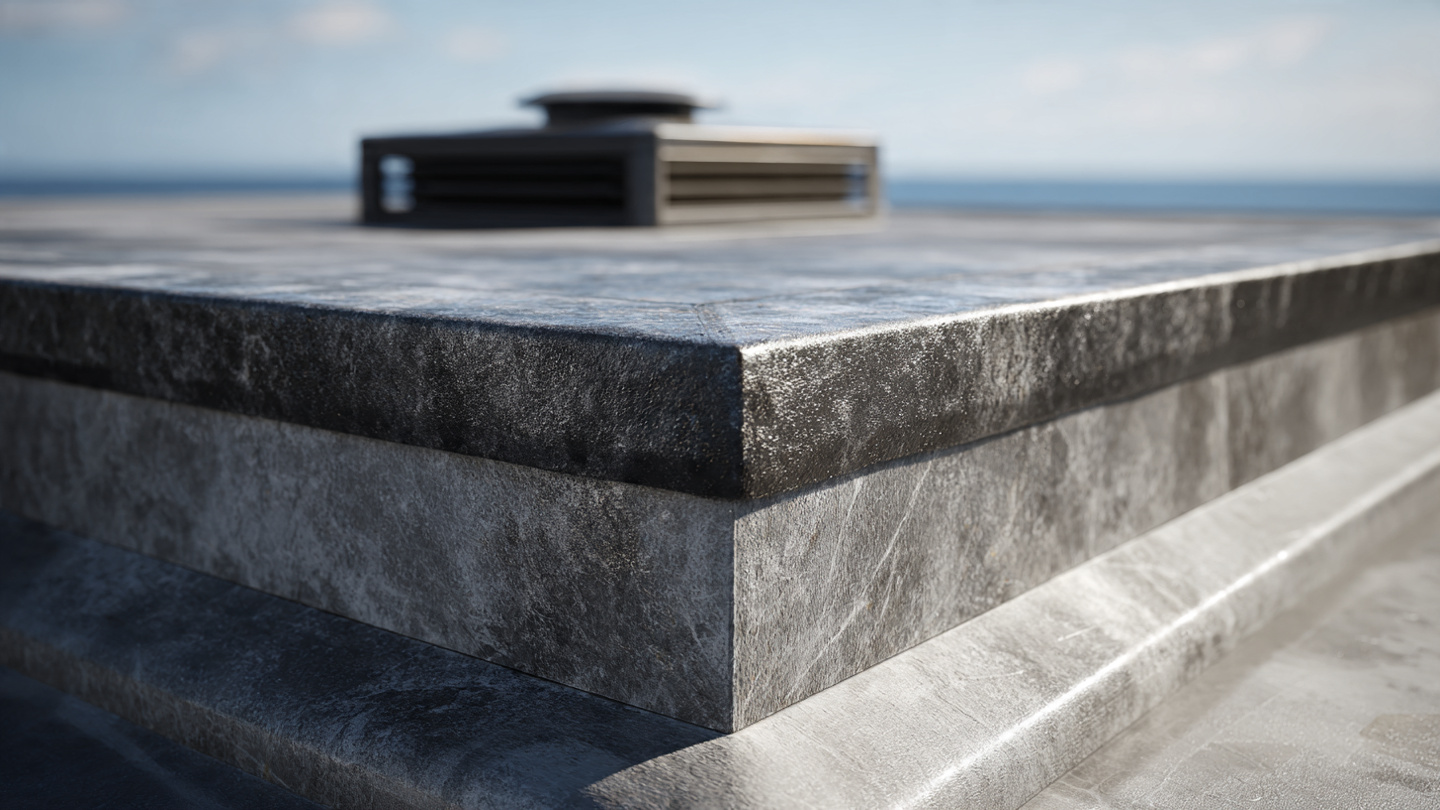
Sydney experiences significant levels of ultraviolet (UV) radiation. This radiation can break down the molecular bonds within roofing materials, leading to:
- Discoloration and Fading: Roof surfaces can lose their original vibrancy, resulting in a dull, aged appearance.
- Material Brittleness: Plastics, rubbers, and even some tile binders can become brittle due to UV exposure, increasing the risk of cracking.
- Thermal Expansion and Contraction: Daily and seasonal temperature fluctuations cause roofing materials to expand and contract. This constant movement, exacerbated by direct sunlight, can stress joints and seams, leading to fatigue and eventual failure.
Rainfall and Water Infiltration
Despite Sydney’s generally clement weather, heavy downpours are not uncommon. Inadequate roof maintenance can turn these events into potential disasters.
- Blocked Gutters and Downpipes: Accumulated debris from trees can obstruct water flow, leading to water pooling on the roof or overflowing.
- Cracked or Damaged Tiles/Sheets: Older materials or those weakened by environmental factors can allow water to penetrate the roof structure.
- Compromised Sealing: Flashings around chimneys, vents, and skylights can degrade, creating entry points for water.
A poorly maintained roof acts as a sieve rather than a shield, allowing moisture to enter the attic or ceiling space. This can initiate a cascade of problems, including mold growth, timber rot, and damage to insulation and interior finishes.
If you’re considering roof painting and membrane coatings in Rose Bay to extend the life of your roof and enhance your home’s street appeal, you might also find valuable insights in a related article. For expert advice on maintaining your house paint and ensuring it looks new for years to come, check out this informative piece on 10 Expert Tips to Maintain Your House Paint and Keep It Looking New. This article provides practical tips that complement your efforts in roof maintenance and overall home aesthetics.
The Science Behind Roof Painting and Membrane Coatings
Roof painting and the application of membrane coatings are not merely cosmetic fixes; they are engineered solutions designed to combat the forces of nature and extend the functional life of a roof. These processes involve specialized materials and application techniques tailored to the specific needs of different roofing substrates.
Roof Painting: Beyond Aesthetics
While a fresh coat of paint can dramatically improve a roof’s appearance, its protective capabilities are equally significant. Modern roof paints are technologically advanced formulations designed for the harsh exterior environment.
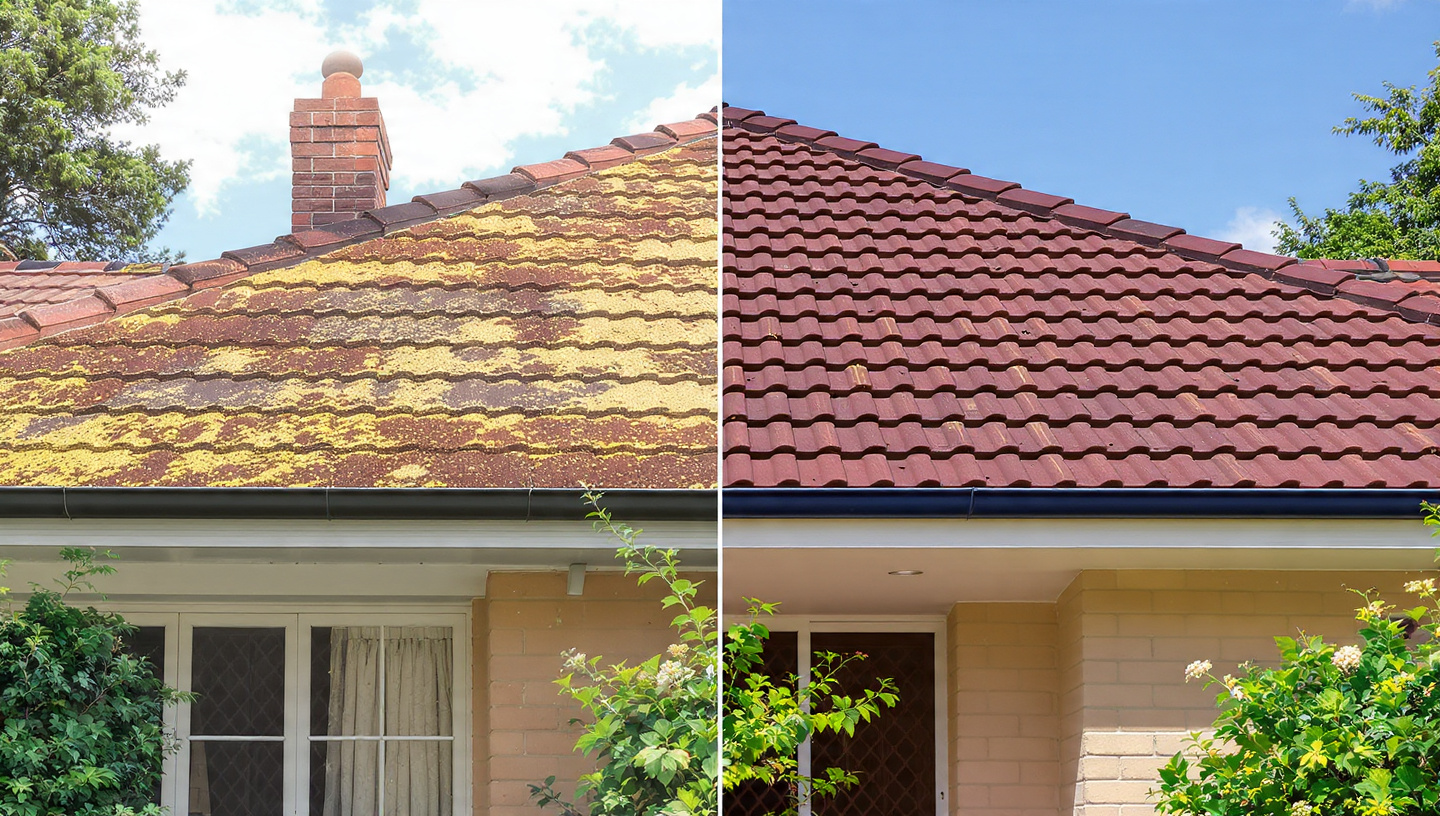
Types of Roof Paints and Their Properties
- Acrylic Roof Paint: These are water-based paints that offer good flexibility and breathability, allowing trapped moisture to escape. They are well-suited for tiled roofs and metal roofs where some degree of movement is expected. Acrylics provide excellent UV resistance and can be formulated with anti-fungal and anti-algal additives.
- Elastomeric Coatings: These are highly flexible, rubber-like coatings that can bridge small cracks and gaps. Their elasticity allows them to expand and contract with temperature changes without cracking. Elastomeric coatings are particularly effective for low-slope roofs and can provide a significant level of waterproofing.
- Heat-Reflective/Cool Roof Coatings: Formulated with special pigments, these coatings reflect a substantial portion of solar radiation. This reduces heat absorption by the roof, leading to lower attic temperatures and, consequently, reduced energy costs for cooling. These coatings are often considered a sustainable building practice.
The specific choice of paint depends on the roofing material (tiles, metal, asbestos cement sheeting), its condition, and the desired outcome. Factors such as adhesion, UV stability, flexibility, and water resistance are paramount.
Membrane Coatings: A Watertight Solution
Membrane coatings are applied as a liquid or in sheet form and cure to create a seamless, waterproof barrier. They are often employed for more challenging roofing situations or when a higher level of waterproofing is required.
Polymeric Membrane Systems
These systems are synthetic rubber or plastic-based materials that form a continuous, monolithic surface.
- SBS (Styrene-Butadiene-Styrene) Modified Bitumen Membranes: These are asphalt-based membranes modified with polymers to enhance their flexibility, especially at low temperatures. They are often applied in two layers (e.g., Elastobase V in conjunction with a cap sheet) to provide robust waterproofing. SBS membranes offer excellent durability and resistance to puncture and fatigue.
- APP (Atactic Polypropylene) Modified Bitumen Membranes: APP offers enhanced UV resistance and high-temperature performance compared to standard bitumen. These membranes are also typically applied in layers, providing a durable and weather-resistant surface.
- Liquid-Applied Membranes (LAMs): These are advanced formulations that can be sprayed, rolled, or troweled onto the roof surface. They cure to form a seamless, highly flexible, and durable membrane. Common bases include:
- Polyurethane Membranes: Known for their high tensile strength, abrasion resistance, and excellent adhesion to a wide range of substrates.
- Silicone Membranes: Offer exceptional UV stability, flexibility at low temperatures, and excellent ponding water resistance. They are often used for flat or low-slope roofs.
- Acrylic Membranes: While often considered a “paint,” higher-performance acrylics can function as single-layer membranes, offering good weatherability and reflectivity.
The selection of a membrane system is a technical decision, influenced by the roof’s pitch, structural integrity, expected lifespan, and exposure to specific environmental conditions prevalent in Rose Bay.
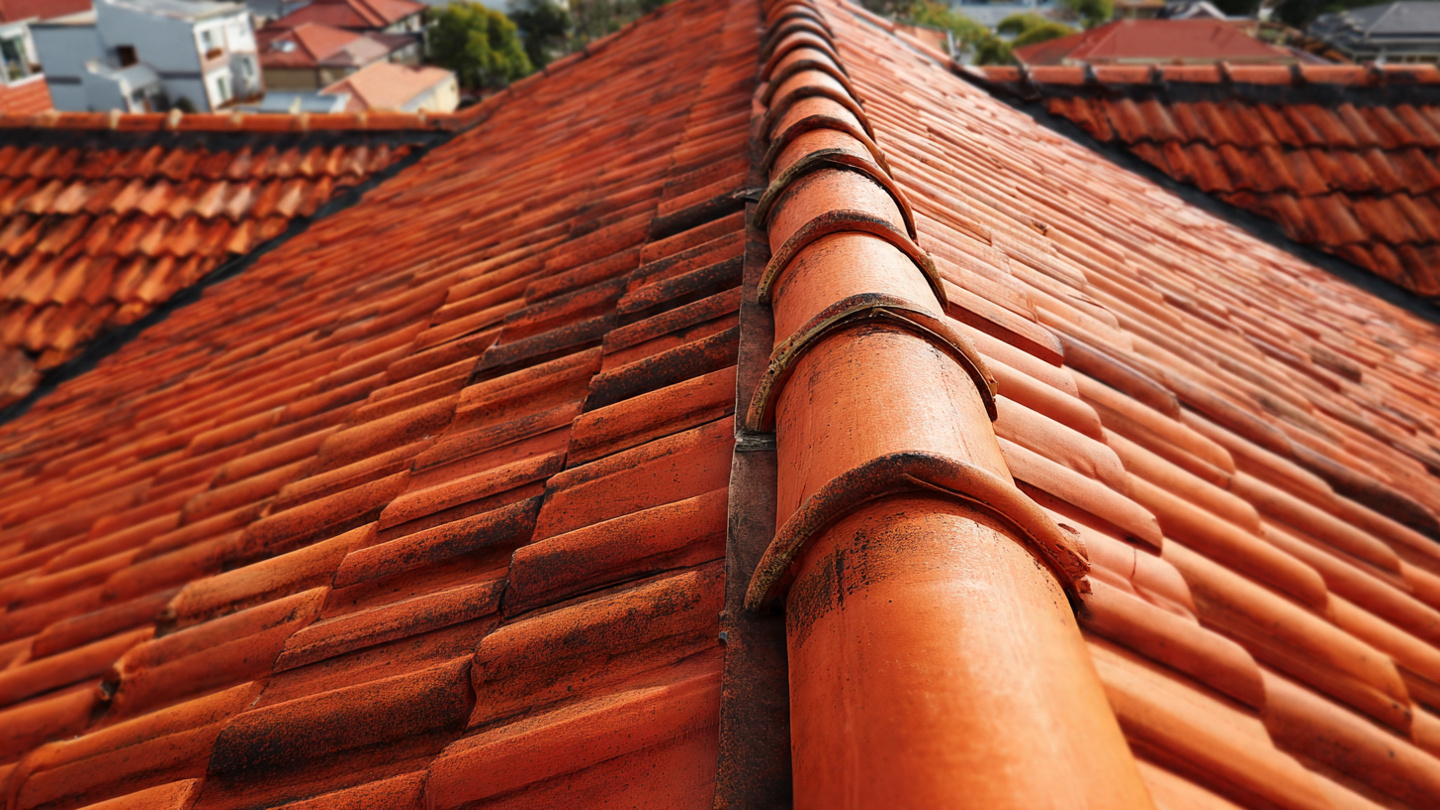
Benefits of Professional Roof Coatings in Rose Bay
Investing in professional roof painting and membrane coatings offers a multitude of advantages for property owners in Rose Bay, extending far beyond mere visual enhancement. These benefits contribute to increased property value, reduced long-term costs, and improved living comfort.
Extending Roof Lifespan: A Cost-Effective Preservation Strategy
A significant benefit of applying appropriate roof coatings is the marked extension of the roof’s service life. Industry data suggests that well-maintained and coated roofs can last significantly longer than their uncoated counterparts.
- Up to 15 Years of Added Life: General industry trends indicate that various specialized roof coatings can extend the functional lifespan of a roof by up to 15 years. This translates to deferring expensive roof replacement by a substantial period.
- Preventing Premature Degradation: By acting as a protective barrier against UV radiation, salt corrosion, and moisture, coatings prevent the materials from breaking down prematurely. This means tiles remain intact longer, metal sheeting avoids rusting, and underlying membranes are shielded from degradation.
- Cost-Benefit Analysis: The cost of professional roof coating is often a fraction of the cost of a full roof replacement. This makes it a highly cost-effective strategy for preserving the asset value of a property in an area like Rose Bay where property values are significant.
Enhanced Waterproofing and Leak Prevention
One of the primary functions of membrane coatings, and a secondary benefit of high-quality paints, is to provide robust waterproofing.
- Seamless Barrier: Liquid-applied membranes and properly installed sheet membranes create a continuous, watertight seal across the entire roof surface. This eliminates vulnerable joints and seams where water ingress is most likely.
- Bridging Minor Cracks: Elastomeric coatings and flexible membranes can effectively bridge hairline cracks and small gaps that may have developed in the existing roofing material. This prevents water from seeping into these weaknesses.
- Protection Against Ponding Water: For flat or low-slope roofs, which are more prone to water pooling, specialized coatings such as silicone are highly effective at resisting constant moisture exposure and preventing degradation.
- Mitigating Interior Damage: By effectively repelling water, these coatings prevent moisture from penetrating the roof structure, safeguarding insulation, timber framing, and interior ceilings and walls from costly water damage, mold, and rot.
Improving Street Appeal and Property Value
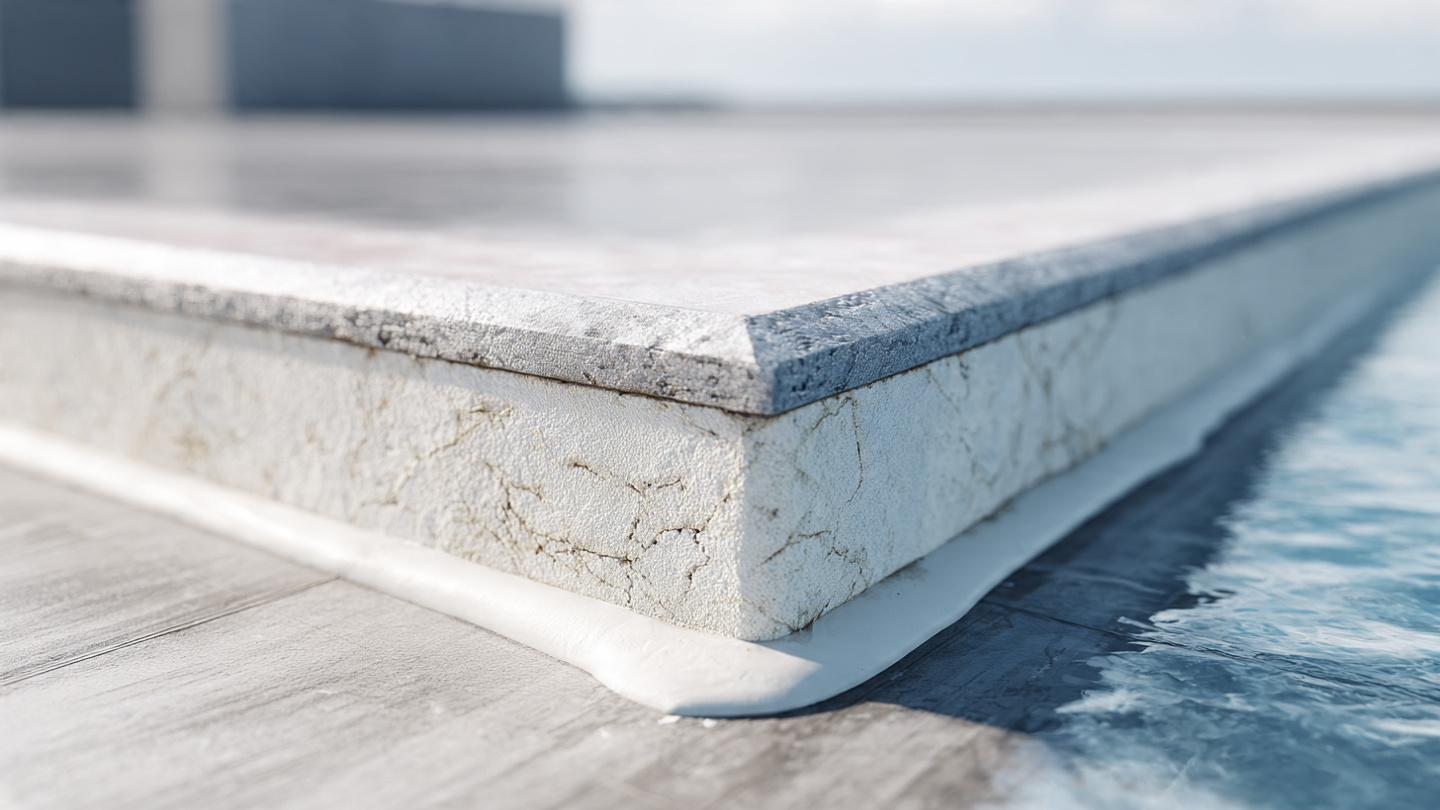
The visual impact of a well-maintained roof cannot be overstated, particularly in a suburb like Rose Bay known for its aesthetic standards.
- Revitalized Aesthetics: A fresh, uniform, and vibrant roof color can dramatically transform the appearance of a home. It restores a sense of newness and care to the entire property, making it more inviting.
- Complementing Architecture: Professional painters and decorators can advise on color choices that best complement the specific architectural style of a Rose Bay residence, whether it’s a classic Federation villa or a modern harbour-view dwelling.
- Enhanced Curb Appeal: A property with a pristine roof conveys a sense of quality and meticulous upkeep, significantly boosting its curb appeal. This is a crucial factor for potential buyers and contributes directly to a higher resale value.
- Demonstration of Diligence: A well-maintained roof signals to prospective buyers that the property has been looked after with care, reducing concerns about hidden structural issues and increasing confidence in the investment.
Energy Efficiency and Sustainability
Modern roof coatings often incorporate features that contribute to energy savings and environmental sustainability.
- Cool Roof Technology: Heat-reflective coatings, often called “cool roofs,” can significantly reduce the amount of solar heat absorbed by the roof surface. This lowers the temperature of the attic space and subsequently reduces the workload on air conditioning systems during warmer months. The Roof Coatings Manufacturers Association highlights the role of coatings in boosting sustainability.
- Reduced Cooling Load: By reflecting sunlight rather than absorbing it, cool roof coatings can lead to measurable reductions in energy consumption for cooling, thereby lowering utility bills for homeowners.
- Longevity and Resource Conservation: By extending the life of the existing roof, coating applications reduce the need for premature replacement, thereby conserving the resources that would be required to manufacture and install a new roof. This aligns with broader sustainability goals.
Professional Application: The Key to Long-Term Performance
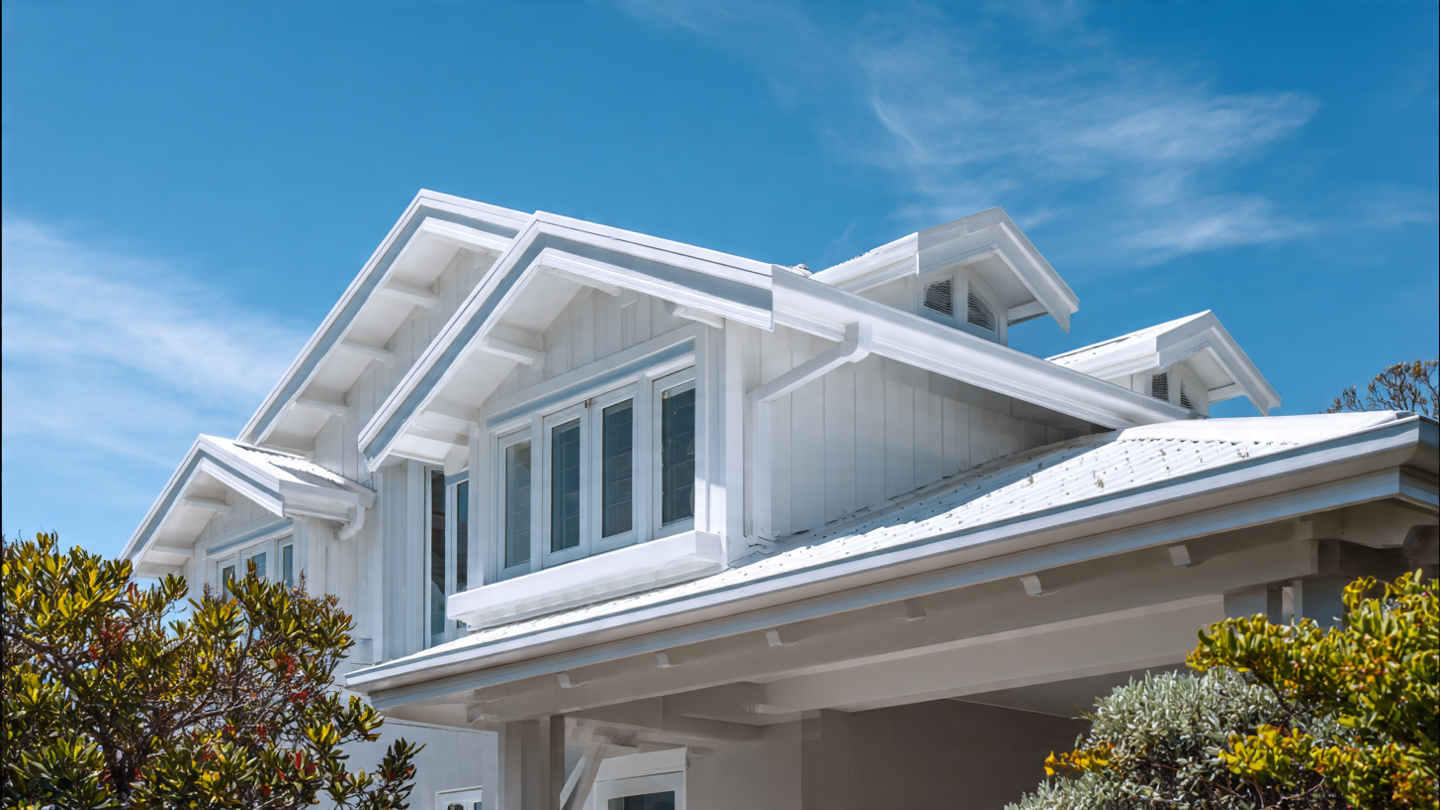
The effectiveness of roof painting and membrane coatings is inextricably linked to the quality of their application. While the science behind the materials is advanced, the execution requires skilled hands, meticulous preparation, and adherence to manufacturer specifications.
The Importance of Professional Surface Preparation
Before any coating is applied, the existing roof surface must be thoroughly prepared. This is often the most critical phase and can make or break the success of the project.
- Cleaning: The roof must be free from all dirt, dust, mold, mildew, lichen, loose paint, and any other contaminants. Pressure washing is commonly employed, but care must be taken to avoid damaging roofing materials, especially older tiles or delicate metal finishes.
- Repair of Existing Damage: Any cracked or broken tiles, loose flashings, or damaged sealing must be repaired or replaced before coating. Applying a coating over existing structural weaknesses will not resolve the underlying problem and can lead to failure.
- Priming: In many cases, a specialized primer is required to ensure optimal adhesion of the top coating. Primers are formulated to bond with the substrate and provide a uniform surface for the subsequent layers of coating. For metal roofs, anti-corrosive primers are essential.
Material Selection and Manufacturer Guidelines
Choosing the right product for the specific roofing material and environmental conditions is paramount. This involves understanding the properties of different acrylics, elastomers, and membrane systems.
- Substrate Compatibility: Different coatings are designed for different materials (e.g., concrete tiles, terracotta tiles, metal sheeting, fibreglass). Using an inappropriate product can lead to adhesion failure or other performance issues.
- Adherence to Specifications: Manufacturers provide detailed guidelines for the application of their products, including recommended temperatures, humidity levels, number of coats, and drying times. Deviating from these specifications can void warranties and compromise the coating’s performance.
- Consideration of Rose Bay’s Climate: Professionals will factor in the specific coastal environment of Rose Bay when recommending products, prioritizing those with superior salt resistance and UV protection.
The Application Process: Skill and Precision
The actual application of roof coatings requires precision and often specialized equipment.
- Even Coverage: Whether sprayed, rolled, or troweled, the coating must be applied evenly to achieve a uniform thickness and consistent protective layer. Lap lines from roller application, for instance, must be managed to avoid visual imperfections.
- Proper Curing: Understanding the curing process of the chosen product is vital. Coatings need appropriate time and environmental conditions to achieve their full hardness and protective properties. Rushing this process can lead to premature failure.
- Sealing Critical Areas: Flashings, penetrations (vents, pipes), and changes in roof plane are particularly vulnerable areas that require careful attention and often multiple layers of coating or specialized detailing to ensure absolute watertightness.
Professional painters and decorators, with their experience in surface preparation, material science, and application techniques, are best equipped to ensure that roof painting and membrane coating projects deliver the intended long-term benefits.
If you’re considering enhancing the longevity and aesthetic appeal of your roof in Rose Bay, you might find it beneficial to explore related services that can complement roof painting and membrane coatings. For instance, expert interior painters can also play a crucial role in maintaining the overall look of your property. By ensuring that both the interior and exterior of your home are beautifully finished, you can significantly boost your street appeal. To learn more about how professional painting services can transform your living space, check out this informative article on interior painters in Sydney.
Common Roofing Materials in Rose Bay and Their Coating Needs
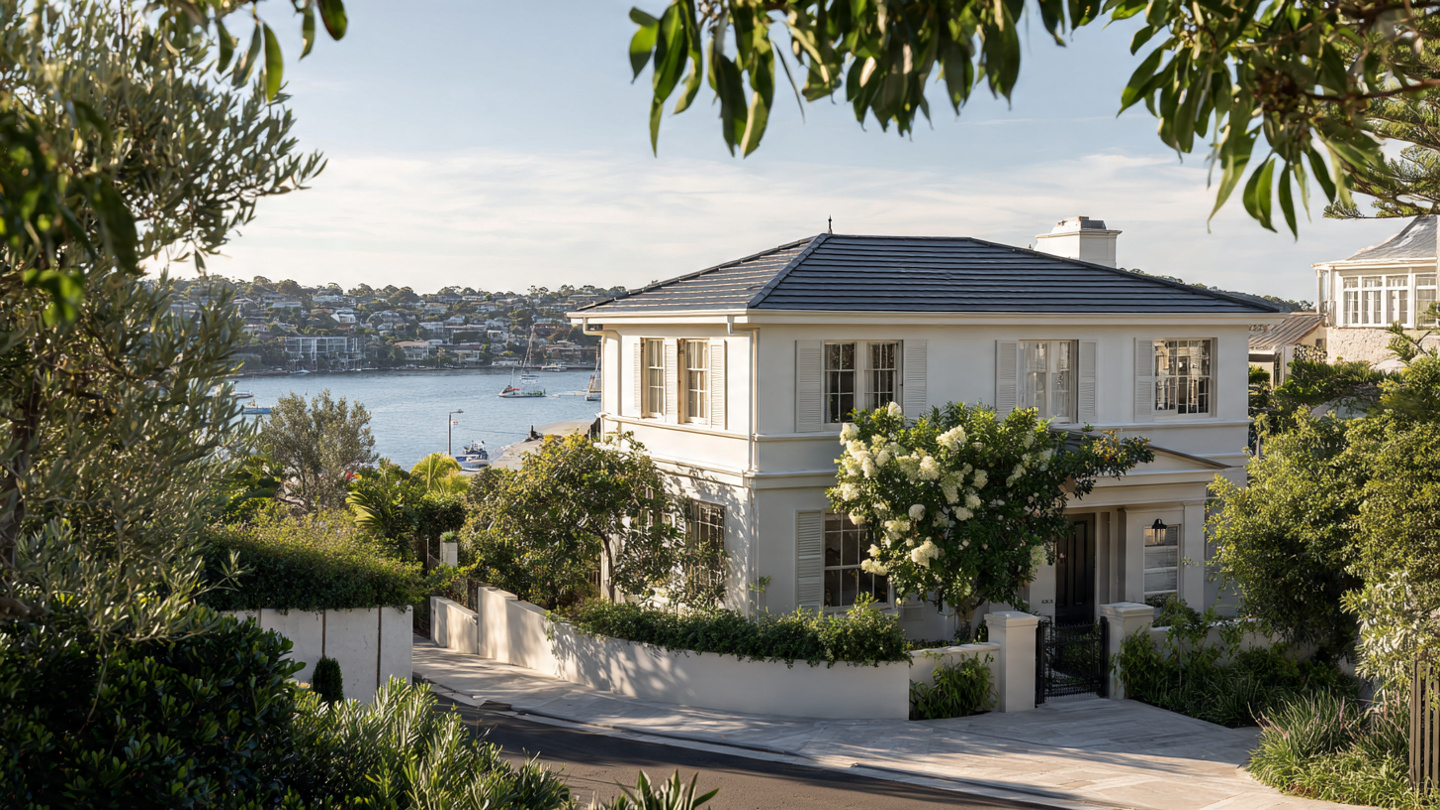 Rose Bay features a diverse architectural landscape, with residences built from various roofing materials. Each material, while possessing its own inherent durability, benefits from specific protective treatments.
Terracotta and Concrete Tiles
These are among the most common roofing materials in older Rose Bay homes, particularly those with Federation or Mediterranean influences.
- Terracotta Tiles: While naturally durable, terracotta tiles can become porous over time, especially with exposure to salt and humidity.
- Painting: Acrylic-based roof paints are suitable. They can restore color and provide a protective shield. A penetrating sealer may be applied first to enhance water repellency.
- Membrane Coatings: Less common for standard pitched terracotta roofs unless there are specific waterproofing challenges, such as in valleys or around chimneys.
- Concrete Tiles: These are generally robust but can be susceptible to moss and lichen growth.
- Painting: High-quality acrylic roof paints are excellent for concrete tiles, offering a wide color palette to enhance street appeal. Anti-fungal additives are beneficial.
- Sealers: Clear sealers can be applied to enhance water resistance and prevent staining without altering the tile’s appearance significantly.
Metal Roofing (Colorbond, Zincalume, Copper)
Modern residences and some renovated older homes may feature metal roofing.
- Colorbond/Zincalume Steel: These pre-painted steel products are durable, but the factory coating will eventually degrade.
- Preparation is Key: Thorough cleaning and often a specific etching primer are required to ensure adhesion to the often slick surface.
- Painting: High-performance acrylic roof coatings designed for metal are essential. These provide UV resistance and flexibility.
- Specialized Coatings: For areas with high salt exposure, coatings with enhanced corrosion resistance are recommended.
- Copper: Less common due to cost, but some heritage properties might feature copper elements. Copper naturally oxidizes to a green patina.
- Painting: Generally, copper is left to weather naturally. If painting is desired for aesthetic reasons, specialized primers and coatings are necessary.
- Protection: Clear varnishes can be applied to preserve the natural metallic sheen, but these require regular maintenance.
Asbestos Cement Sheeting
Older homes may still have asbestos cement sheeting (often corrugated). Due to the health risks associated with asbestos, re-sheeting is typically the preferred solution. However, if it remains intact and undisturbed, professional coatings can be applied.
- Strict Regulations: Application of coatings on asbestos roofing requires specialized licensing and adherence to strict safety protocols.
- Suitable Coatings: High-build acrylic coatings can encapsulate the material, provided it is sound. Liquid-applied membranes offering excellent waterproofing are also an option.
The selection of the appropriate coating system for any material in Rose Bay should be guided by a professional assessment of the roof’s current condition, its age, and specific local environmental factors.
If you’re considering enhancing the longevity and aesthetic appeal of your home in Rose Bay, exploring the benefits of roof painting and membrane coatings can be invaluable. These services not only extend the life of your roof but also significantly improve your property’s street appeal. For those looking to undertake such projects, it’s essential to find skilled professionals who can deliver quality results. You might find it helpful to read about the best painters in Sydney for your next project by visiting this informative article here.
Choosing a Professional for Roof Coating Services in Rose Bay
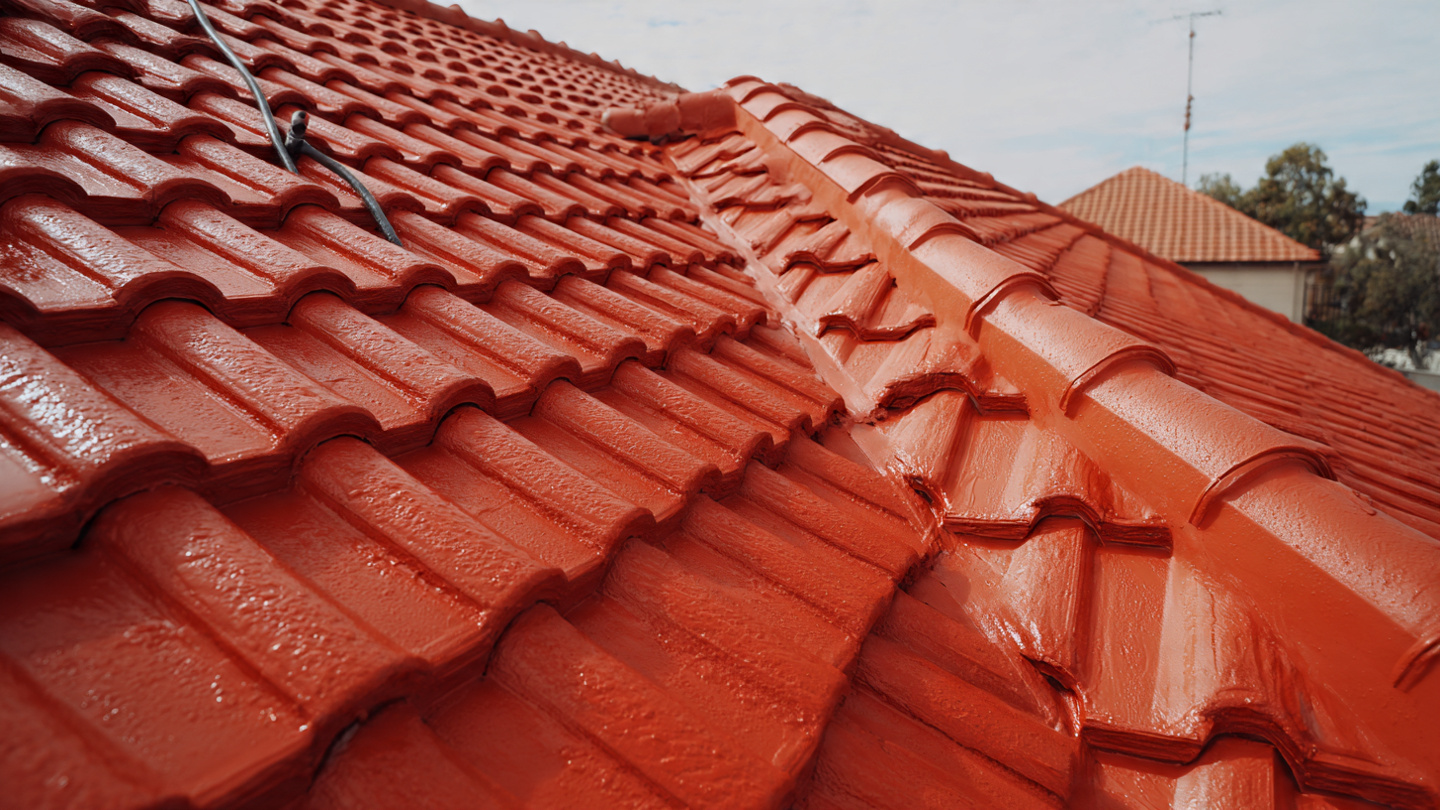
Engaging the right professionals is crucial for ensuring that roof painting and membrane coating projects in Rose Bay are executed to a high standard, delivering the promised longevity and aesthetic improvements.
Experience and Specialization
Look for painting and decorating companies that have demonstrated experience specifically with exterior painting and, ideally, with roof coatings.
- Proven Track Record: Ask for references or view portfolios of previous roof coating projects. This provides insight into the quality of their work.
- Understanding of Rose Bay’s Environment: A local company will be familiar with the specific challenges posed by the Rose Bay climate and the common architectural styles of the area.
- Specialized Equipment and Training: Certain coatings, particularly membrane systems, require specialized application equipment and training.
Quality of Materials and Guarantees
The quality of the materials used directly impacts the performance and lifespan of the coating.
- Reputable Brands: Professionals should be willing to discuss the brands and types of paints and membranes they use, ideally referencing well-known manufacturers.
- Product Warranties: Inquire about manufacturer warranties on the products themselves, as well as any workmanship guarantees offered by the painting company.
- Application Warranties: A reputable painter will offer a warranty on their labor, covering defects in application.
Licensing and Insurance
Ensure that the company you choose is properly licensed and insured.
- Licensing: This confirms that the painters meet regulatory requirements.
- Public Liability Insurance: This protects your property in the unlikely event of accidental damage during the course of the work.
Comprehensive Quotations and Communication
Roof Painting & Membrane Coatings- a professional service will provide a detailed quotation outlining the scope of work.
- Detailed Scope: The quote should clearly specify surface preparation methods, materials to be used (including brands and product names), number of coats, and any warranty information.
- Clear Communication: Throughout the process, maintaining open communication is important. A good contractor will keep you informed of progress and address any concerns promptly.
For property owners in Rose Bay, investing in professional roof coating services is an investment in the long-term protection and aesthetic integrity of their most valuable asset. By understanding the benefits, the science, and the importance of professional execution, homeowners can make informed decisions to safeguard their properties against the elements while enhancing their visual appeal.