
Heritage Home Painting Rose Bay: Restoring Timbers, Trims, and Period Details the Right Way
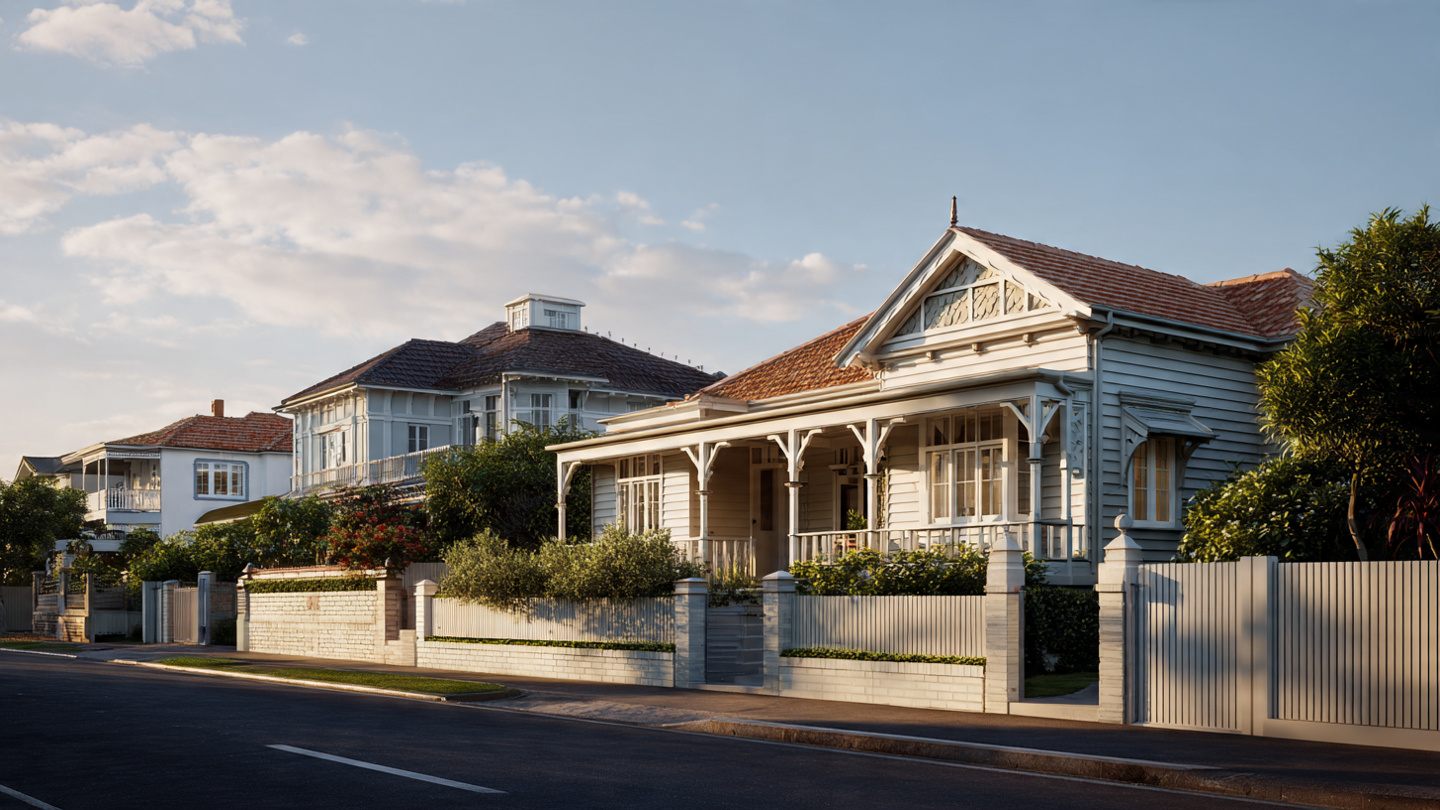
Rose Bay, a distinguished harbourside suburb in Sydney, is renowned for its architectural diversity, encompassing a significant number of heritage homes that stand as testaments to bygone eras. The preservation and meticulous restoration of these properties, particularly their intricate timberwork, decorative trims, and authentic period details, represent a crucial undertaking for homeowners. This process demands a nuanced understanding of historical materials, traditional techniques, and the specific environmental challenges posed by its coastal location. Transforming a home in Rose Bay requires a delicate balance between luxury aesthetics and durable protection. At Sydney Wide Painters & Decorators, we specialize in high-end residential painting that complements the sophisticated architecture of one of Sydney’s most prestigious harbour-side suburbs. With more than 16 years experience, Sydney Wide Painters & Decorators provide top-quality residential painting services.
Heritage homes are more than just residences; they are living historical artifacts. In a suburb like Rose Bay, where many properties date back to the late 19th and early 20th centuries, these homes often feature distinctive architectural styles such as Federation, Queen Anne, and Californian Bungalow. Each style is characterized by unique materials, craftsmanship, and decorative elements that reflect the societal values and technological capabilities of their time. The preservation of these homes is not merely an aesthetic choice; it is a civic responsibility that ensures the continuity of local history and character.
Understanding Heritage Architecture
The architectural styles prevalent in Rose Bay’s heritage homes offer a rich tapestry of design. Federation homes, for instance, are known for their red brickwork, ornate gables, decorative chimneys, and often extensive use of timber in verandas, fretwork, and interior detailing. Queen Anne style properties may exhibit asymmetrical facades, prominent turrets, decorative shingles, and a vibrant palette of colours. Californian Bungalows, while simpler, often feature prominent verandas, exposed rafters, and robust timber elements. Each of these styles presents distinct challenges and opportunities when it comes to restoration. A deep dive into the original plans, historical photographs, and even neighbouring properties can often reveal the original intent and construction methods. Think of it as deciphering an ancient manuscript; each stroke of the brush or cut of the timber tells a story.
The Economic and Cultural Value of Heritage Homes
Heritage homes in Rose Bay contribute significantly to the suburb’s unique identity and desirability. Their preservation can enhance property values and attract a discerning clientele who appreciate architectural integrity and historical significance. Beyond monetary considerations, these homes represent a crucial link to Sydney’s past, offering insights into the lives and aspirations of previous generations. The responsible restoration of these properties ensures that this tangible heritage is passed on to future generations.
For those interested in the art of restoring period homes, the article titled “Why Sydney Property Owners Choose Sydney Wide Painters & Decorators” offers valuable insights into the importance of skilled craftsmanship in maintaining the integrity of heritage properties. This resource complements the discussion in “Heritage Home Painting Rose Bay: Restoring Timbers, Trims, and Period Details the Right Way,” as both emphasize the need for expert techniques when working with historical features. To explore more about the preferences of Sydney homeowners in selecting painting and decorating services, you can read the article here.
Specialist Expertise in Heritage Painting and Restoration
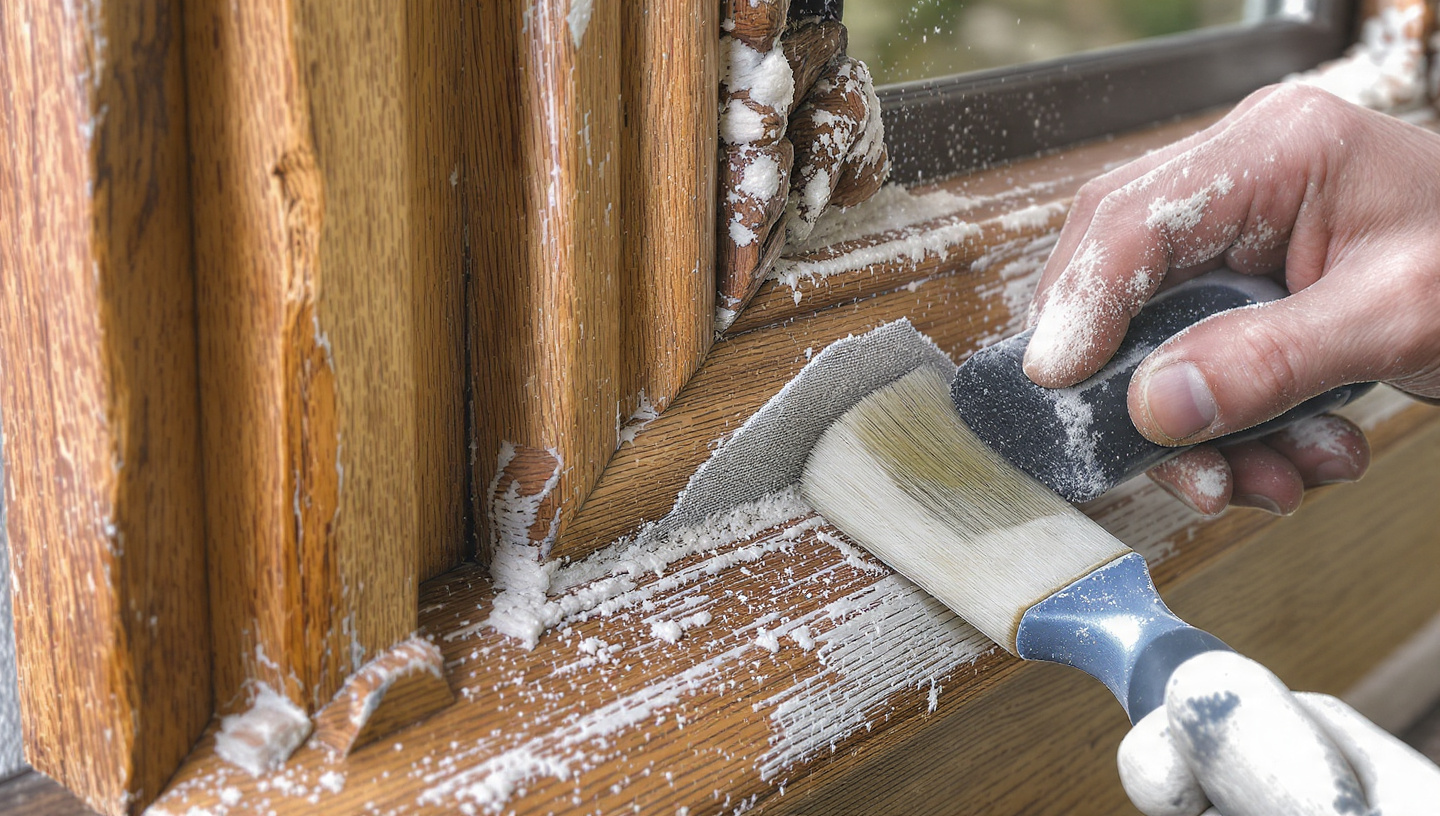
The restoration of heritage homes requires a specialized skillset that goes beyond standard residential painting. It involves an intimate knowledge of historical materials, an understanding of traditional application methods, and the ability to source and utilise appropriate heritage-grade paints and finishes.
The Importance of a Heritage-Specific Approach
Attempting to restore a heritage home with contemporary, mass-produced materials and techniques can lead to irreversible damage. For instance, modern acrylic paints may not be breathable, trapping moisture within older building materials like timber and render, leading to rot and decay. Similarly, improper preparation can strip away delicate original finishes or damage fragile plasterwork. A heritage specialist understands these nuances and employs methods that respect the original construction and materials. This is akin to a surgeon performing delicate microsurgery; precision and specialized tools are paramount.
The Role of Experience and Accreditation
When selecting a painting and decorating service for a heritage property, look for professionals with demonstrable experience in heritage restoration. Their portfolio should showcase successful projects on similar architectural styles. Accreditation from heritage bodies or relevant industry associations can also be an indicator of expertise. Sydney Wide Painters & Decorators, for example, brings 25 years of experience to every project. This depth of knowledge is invaluable when navigating the complexities of heritage restoration.
Expert Residential Painting in Rose Bay: A Tailored Approach
Whether you own a classic Federation-style home or a sleek contemporary residence, our team brings 25 years of experience to every project. We understand that Rose Bay homeowners demand perfection, which is why we focus on:
Premium Interior Finishes: The Art of the Perfect Coat
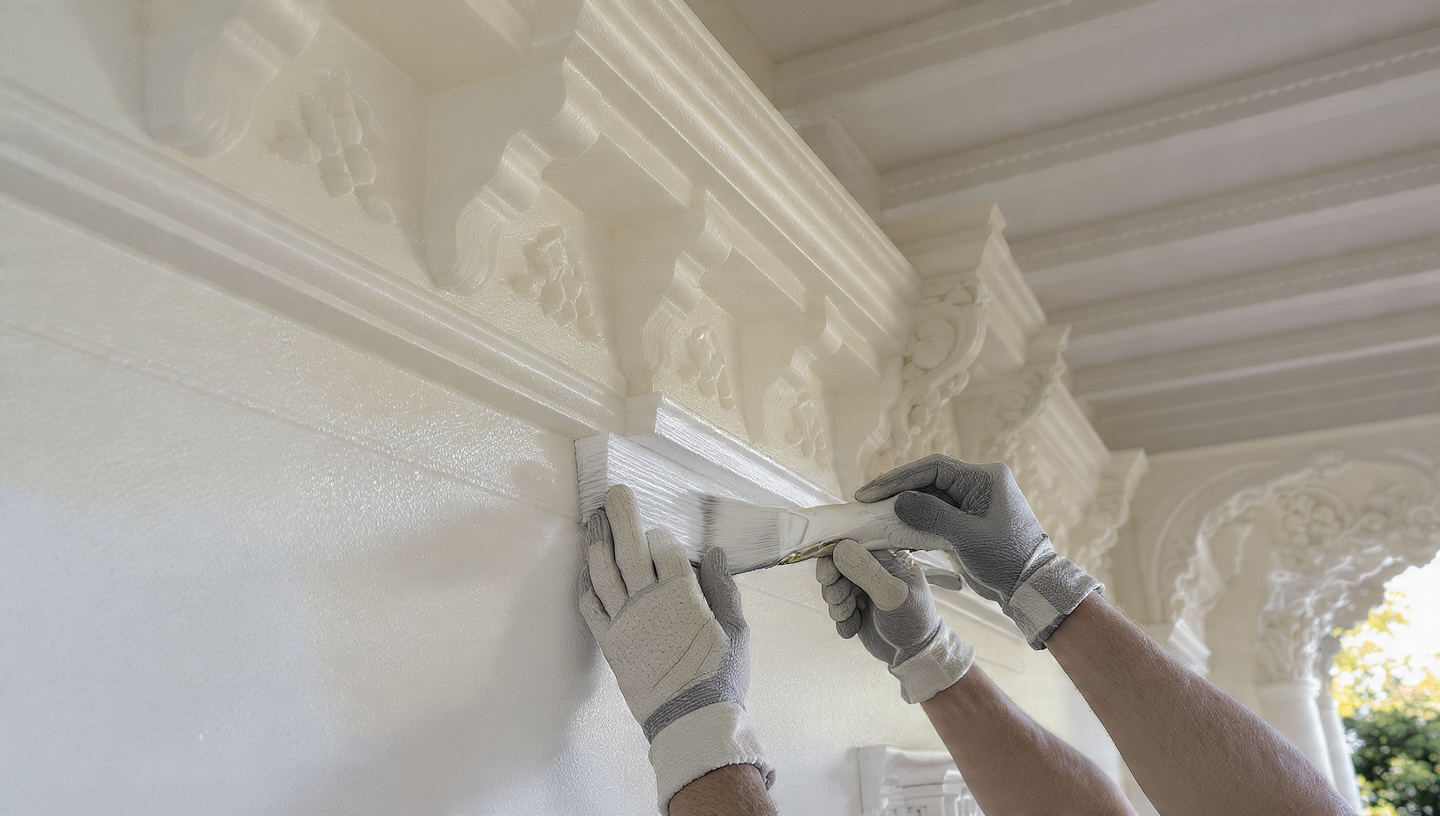
The interior of a heritage home often holds a wealth of decorative elements that require meticulous attention. Ornate ceiling roses, intricate cornices, architraves, skirting boards, and the detailed panelling of walls are all opportunities to revive and enhance the original grandeur.
Revitalising Ornate Ceiling Roses and Cornices
Ceiling roses and cornices are often the crowns jewels of heritage interiors. Restoration involves careful cleaning, minor repairs to any chipped or broken plasterwork, and the application of a high-quality paint that accentuates their intricate details. The choice of paint finish is critical; a subtle sheen can highlight the relief of the plaster without appearing ostentatious, while a matte finish can provide a more understated elegance. For these delicate features, brushes are the primary tools, allowing for precise application into every crevice.
Restoring Timbers: Architraves, Skirting Boards, and Panelling
The timber elements within a heritage home are crucial to its character. Architraves, skirting boards, and wall panelling, often made from native hardwoods, can become dull, chipped, or faded over time. Complete stripping back to the bare timber may be necessary, followed by careful sanding and the application of protective finishes. The choice of stain or polish will depend on the original timber type and the desired aesthetic. For a truly authentic look, oil-based varnishes or waxes can be employed, offering a depth and warmth that modern water-based products often struggle to replicate. Each timber element is a narrative of time, and our role is to restore that story with clarity and grace.
Achieving Flawless Wall Finishes
Even the walls in a heritage home can present unique challenges. Older plaster finishes may require specialised plastering techniques before painting. For smooth walls, the application of high-quality paints like Dulux and Taubmans can achieve a flawless, velvet-like finish. The selection of colour is also paramount, with heritage palettes often favouring muted tones that complement the architectural style.
Harbour-Resistant Exteriors: Protection Against the Elements
Rose Bay’s prime location on the harbour brings with it a unique set of environmental challenges. The salt-laden air, combined with fluctuating humidity and direct sun exposure, can take a toll on exterior surfaces.
Preventing Peeling and Corrosion on Masonry
The porous nature of heritage masonry, such as sandstone or brickwork, makes it susceptible to salt ingress and moisture absorption. Applying breathable, salt-resistant sealants and paints is crucial to prevent the deterioration of the surface. These coatings act as a protective shield, allowing moisture vapour to escape while repelling liquid water and salt. This is like giving your home a breathable raincoat that also repels harsh ocean spray.
Protecting Timber Elements from Harsh Salty Air
Timber verandas, decks, window frames, and doors are particularly vulnerable to the corrosive effects of salt air. They can suffer from UV degradation, wood rot, and splintering. Regular maintenance, involving thorough preparation, the application of appropriate primers, and the use of high-quality exterior paints and stains designed for coastal environments, is essential. These finishes not only provide protection but also enhance the natural beauty of the timber.
Maintaining a Fresh and Enduring Aesthetic
A well-executed exterior paint job on a heritage home in Rose Bay should enhance its architectural features while providing long-lasting protection. The choice of colours should be sympathetic to the original design and the surrounding environment. Contemporary trends in heritage exterior colours, such as Dulux Vivid White with black trim, can offer a modern interpretation while still honouring the original architecture.
Restoring Timbers: The Authentic Process
The timbers of a heritage home are its bones. Whether it’s the imposing structural beams, the decorative fretwork of a veranda, or the intricate joinery of window frames, these elements are crafted from materials of exceptional quality, often sourced from Australian native timbers. Their restoration is a testament to craft and patience.
Assessing Timber Condition: The First Crucial Step
Before any work begins, a thorough assessment of the timber’s condition is essential. This involves identifying areas of rot, insect infestation, or structural compromise. Superficial damage might be repairable with specialist fillers, but significant decay may necessitate the replacement of damaged sections. It’s vital to distinguish between cosmetic imperfections and structural weaknesses.
Timber Preparation Techniques: Beyond Simple Sanding
Preparing timber for painting or staining in a heritage context is far more involved than a typical DIY job.
Stripping Old Paint and Varnish
Many heritage timbers will have multiple layers of old paint and varnish. The careful removal of these is paramount. Techniques vary:
Chemical Stripping: A controlled dissolution of old finishes.
This method uses chemical agents to break down existing paint and varnish layers. It is effective for intricate details where mechanical stripping might cause damage. However, it requires careful ventilation and protective gear, and residue must be thoroughly removed to ensure proper adhesion of new finishes.
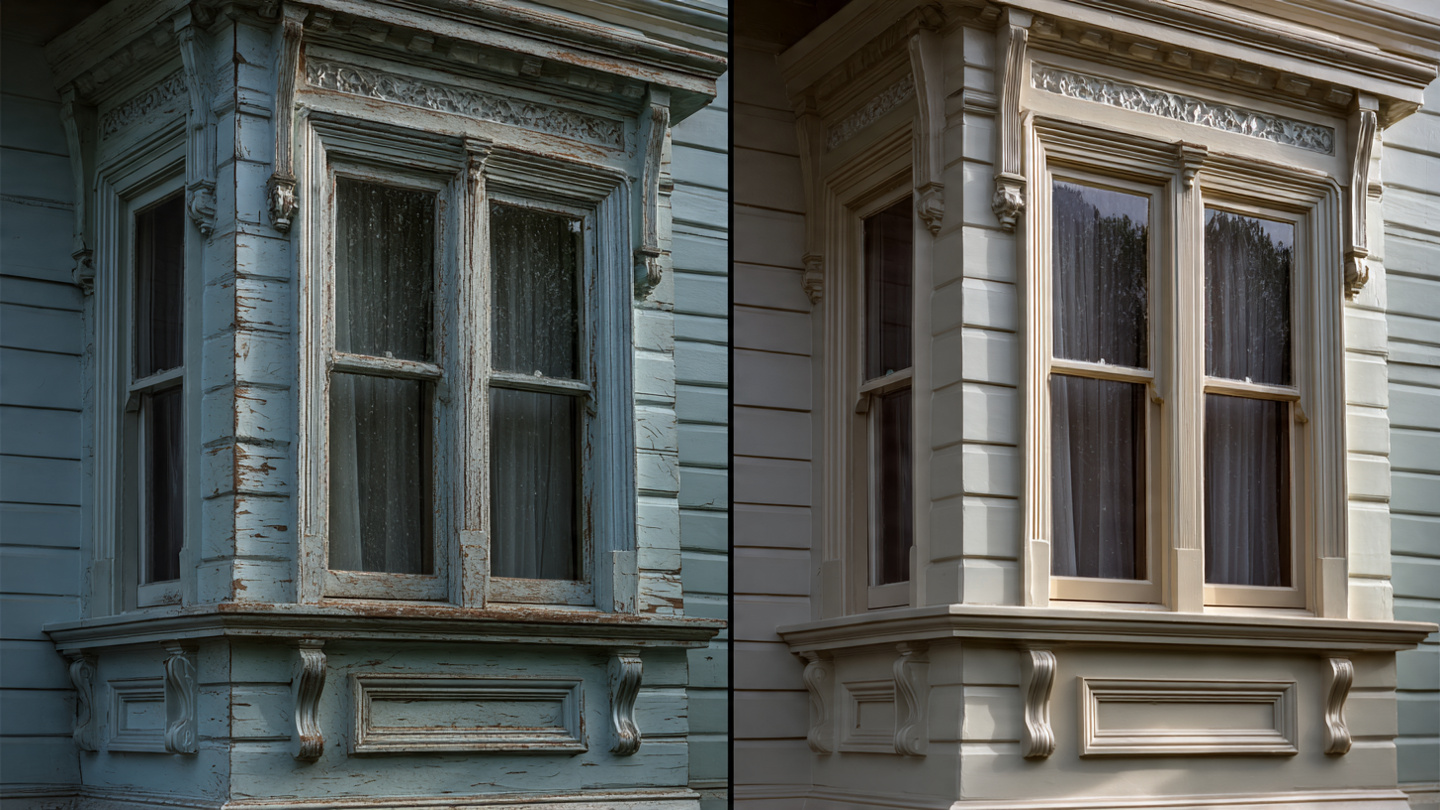 Mechanical Stripping: Utilising controlled abrasion.
This involves using scrapers, sanding machines, or even heat guns. For delicate mouldings, specialised tools are employed to avoid damaging the underlying timber. The goal is to remove the old finish without altering the profile or surface of the timber itself.
Water Blasting and Soda Blasting: For robust surfaces.
While less common for fine detailing, these methods can be used on larger, more robust timber elements like structural beams or verandas, provided the timber and its surrounding structures can withstand the process. Proper containment and moisture management are critical.
Repairing and Replacing Damaged Timber
Where timber has been compromised, an artisan’s touch is needed.
Epoxy Resin Repairs: For minor imperfections.
Cracks, dents, and small areas of decay can often be effectively repaired using specialized two-part epoxy wood fillers. These fillers are exceptionally durable, waterproof, and can be sanded and painted once cured, seamlessly blending with the original timber.
Splice Repairs and Scarfe Joints: For structural integrity.
For larger sections of decay or where structural integrity is compromised, skilled carpenters will employ techniques like splice repairs (inserting a new piece of timber into a prepared slot) or scarfe joints. These methods are designed to restore the original strength and form of the timber. When replacing timber, matching the original species and grain is critical for authenticity.
Sanding to a Fine Finish
Once repairs are complete and the timber is clean, a meticulous sanding process begins. This moves through progressively finer grits of sandpaper to achieve a smooth surface. For internal timbers, such as architraves and skirting, a highly polished finish may be desired, while exterior timbers might require a slightly coarser, more textured finish suited to their function.
Applying Protective Coatings: Preserving the Craftsmanship
The choice of finish is as critical as the preparation.
Traditional Oils and Waxes: For a Natural Sheen
For internal timbers, traditional oil-based finishes or natural waxes can revive the timber’s natural lustre and provide a subtle layer of protection. These finishes penetrate the wood, offering a deep, rich appearance that is often lost with modern film-forming coatings.
High-Quality Varnishes and Stains: Balancing Protection and Aesthetics
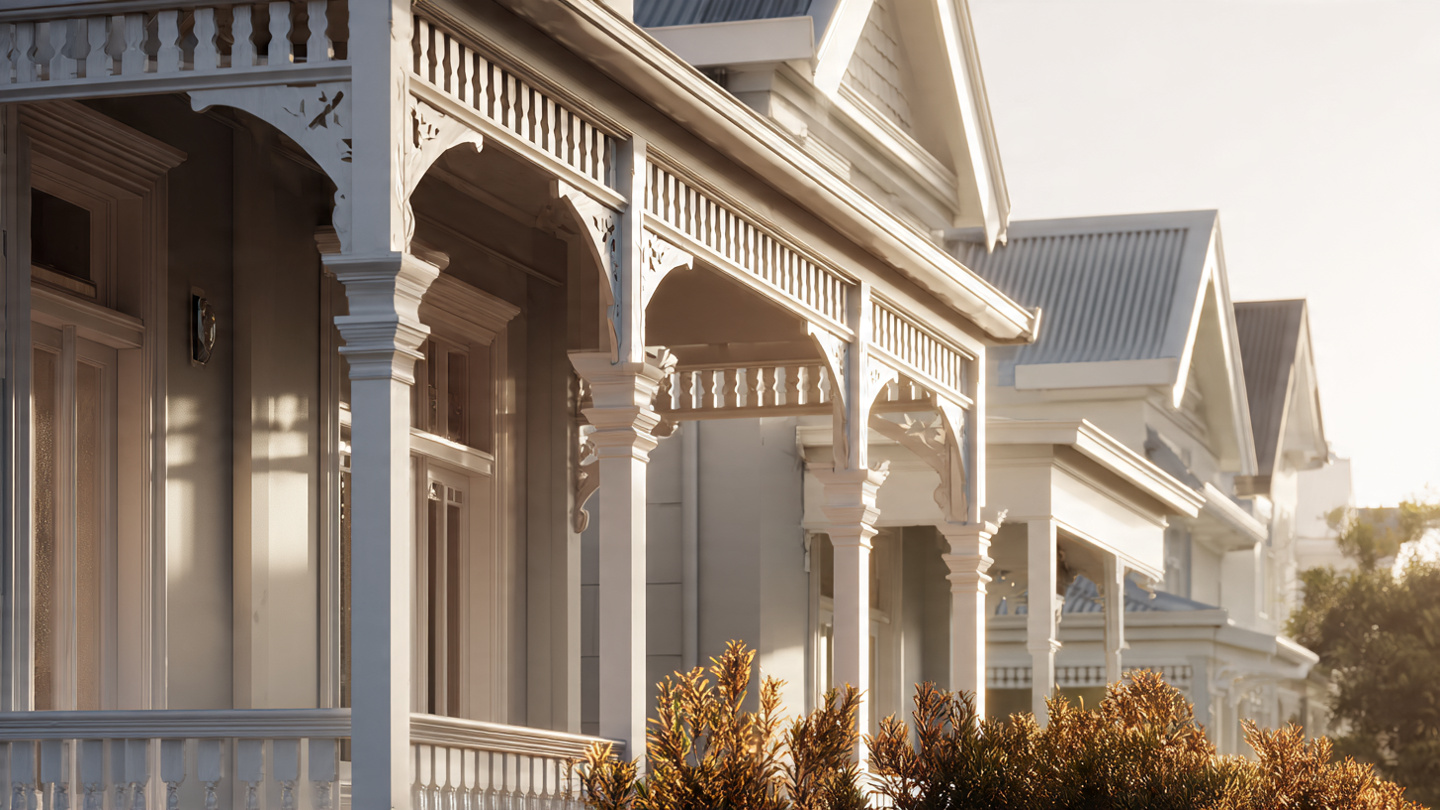
For both interior and exterior timbers, high-quality varnishes and stains offer a balance of protection and aesthetic appeal. Exterior-grade products are formulated to withstand UV radiation, moisture, and temperature fluctuations. The selection of stain colour can either enhance the natural grain of the wood or provide a uniform, deep colour.
Specialized Coatings for Coastal Environments
As mentioned, exterior timbers in Rose Bay require robust protection. Modern exterior paints and stains are engineered to resist salt spray, UV damage, and mildew. Breathable formulations are particularly important to prevent moisture from becoming trapped within the wood.
For those interested in enhancing the beauty of their heritage homes, the article on Heritage Home Painting Rose Bay: Restoring Timbers, Trims, and Period Details the Right Way offers valuable insights into preserving the unique characteristics of older properties. To complement your restoration efforts, you might find it helpful to explore how to select the perfect paint finish for each room in your home. This guide provides essential tips that can ensure your restoration not only respects the original design but also meets modern standards of durability and aesthetics. You can read more about it in this informative piece on choosing the right paint finish.
Restoration of Trims and Period Details: The Devil in the Details
Period details and intricate trims are the filigree of heritage architecture, adding layers of visual richness and historical narrative. Their restoration requires a keen eye for detail and a patient hand.
Understanding the Original Design Intent
Before touching any trim, a thorough understanding of its original purpose and design is crucial. This might involve consulting historical architectural drawings, studying period design manuals, or examining other heritage homes of a similar era. The goal is to replicate the original visual intent as closely as possible.
Delicate Work on Mouldings and Fretwork
Many heritage homes feature elaborate plaster mouldings around ceilings and walls, and often delicate timber fretwork on verandas and gables.
Plaster Moulding Restoration
Plaster mouldings are often made from gypsum or lime plaster. Repairs typically involve:
Making Casts and Replicas: For intricate patterns.
If sections of plaster moulding are missing or damaged beyond repair, skilled artisans may need to create new sections. This often involves taking impressions of intact sections and then casting new elements using traditional plaster mixes.
Applying Skim Coats and Reprofiling: Restoring form.
Small chips and imperfections can be meticulously filled and re-shaped using plaster compounds. For larger areas, a series of skim coats might be applied to rebuild the original profile.
Working with Lime Plaster: The most authentic approach.
Where possible, lime plaster is the preferred material for heritage repairs as it is more breathable and compatible with older building materials than modern cement-based renders.
Timber Fretwork and Gingerbread Trim
The ornate timber fretwork found on many heritage homes adds a distinctive charm. Restoration includes:
Careful Cleaning and Dust Removal: Preserving delicate patterns.
The intricate nature of fretwork means that traditional cleaning methods, such as gentle brushing and vacuuming, are essential.
Repairing or Replacing Intricate Pieces: A jigsaw puzzle of wood.
Small broken pieces might be carefully glued back into place. For larger or missing sections, new timber pieces will need to be expertly cut and shaped to match the original design. This often requires a high level of joinery skill.
Painting and Protection: Enhancing and preserving.
Once repaired, these elements are carefully painted, often in contrasting colours to highlight their detail. Weather-resistant paints are a necessity for exterior fretwork.
Window Frames and Sash Details: Functional Elegance
Original heritage window frames, often constructed from solid timber, are frequently a feature that homeowners wish to retain.
Restoring Sliding Sashes
Original sliding sashes, with their counterweights and intricate pulley systems, are a marvel of early engineering. Restoration involves:
Repairing or Replacing Ropes and Pulleys: Ensuring smooth operation.
The sash cords, often made from natural fibres, can degrade over time. Replacing them with appropriate modern equivalents and ensuring pulleys are free-running is essential for functionality.
Re-glazing and Leading: Authentic finishes.
Original windows may feature leadlight or small pane glazing. Re-glazing requires careful removal of old putty, re-bedding of glass with appropriate putty, and re-leading where necessary.
Weatherproofing and Sealing: Preventing drafts.
Ensuring a tight seal around the sashes is critical for insulation and preventing drafts. This often involves applying thin strips of wool or felt around the frame edges.
Painting and Preserving Timber Frames
Exterior timber window frames are constantly exposed to the elements. Thorough preparation, priming with an oil-based primer, and the application of multiple coats of high-quality exterior paint are vital to protect them from moisture and UV damage.
The Long-Term Strategy: Maintenance and Future Preservation
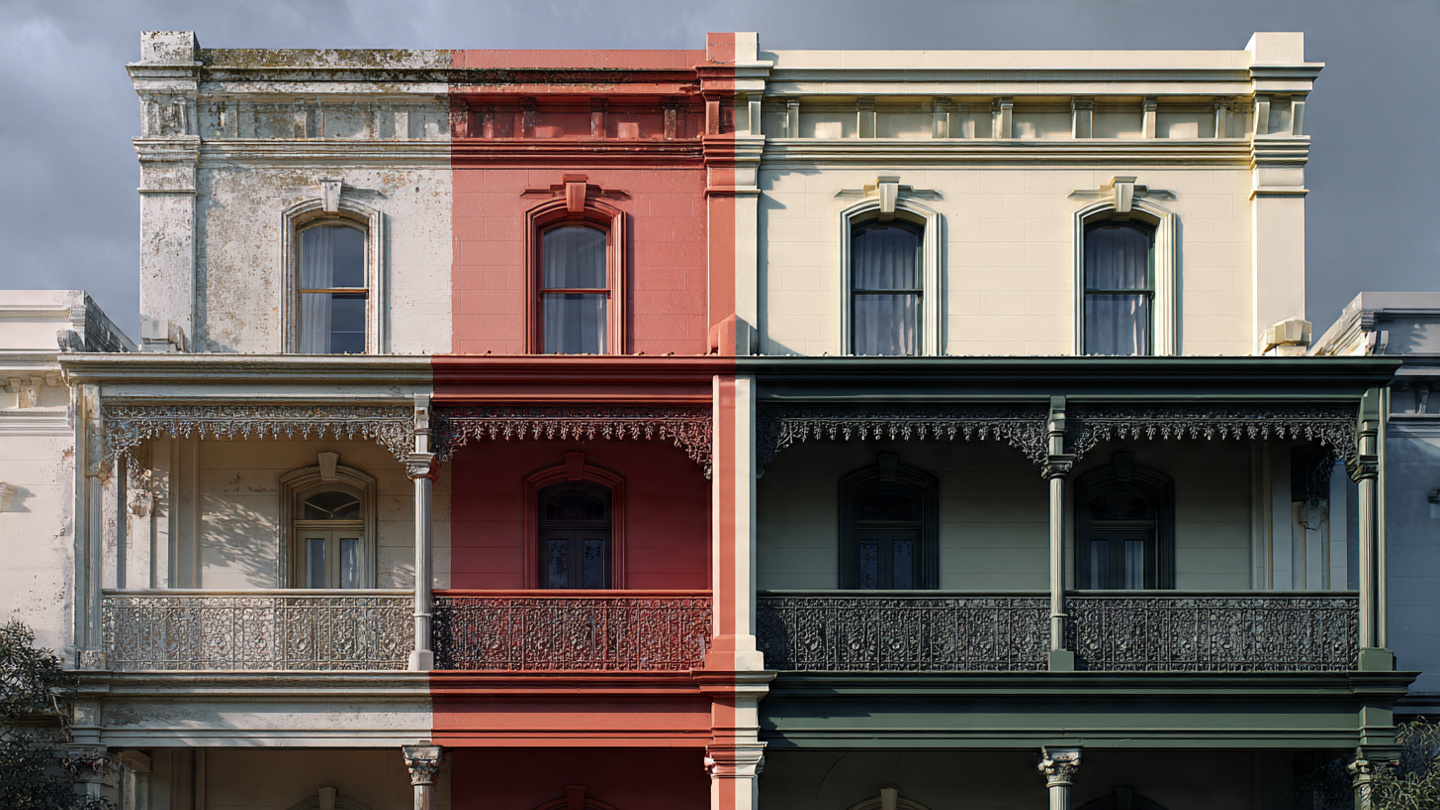
Restoring a heritage home is not a one-off event; it is an ongoing commitment to preservation. Establishing a regular maintenance schedule is the key to safeguarding your investment and ensuring the longevity of your home’s features.
Developing a Preventative Maintenance Plan
A proactive approach to maintenance is far more cost-effective and less disruptive than reactive repairs. This plan should outline:
Regular Inspections: Identifying issues early.
Scheduled inspections, perhaps annually, of all painted surfaces, timber elements, and exterior stonework can help identify minor issues before they become major problems. Look for any signs of cracking, peeling paint, wood rot, or water ingress.
Cleaning Schedules: Removing environmental aggressors.
Regular cleaning of gutters to prevent water overflow, washing down exterior surfaces to remove accumulated salt and grime, and dusting interior mouldings can significantly extend the life of paintwork and protect underlying materials.
Timber Care Regimens: Nourishing and protecting.
Exterior timber elements may require re-application of protective coatings every few years, depending on the product used and the environmental exposure. Interior timber may benefit from occasional waxing or oiling.
Understanding Paint Technologies: Choosing Wisely for Longevity
The selection of paints and coatings is critical for both aesthetics and durability.
Breathable Paints: Allowing moisture to escape.
For heritage homes, especially those constructed with traditional materials like lime plaster or render, breathable paints are essential. These paints allow moisture vapour to migrate through the paint film, preventing it from becoming trapped within the substrate and causing damage.
High-Quality Exterior Paints: Facing the Coastal Challenge.
Exterior paints designed for coastal environments offer enhanced resistance to salt spray, UV radiation, and mildew. These paints are formulated to withstand the harsh conditions and maintain their colour and integrity for longer periods.
Interior Finishes for Durability and Aesthetics
For interior finishes, striking a balance between a desired aesthetic and durability is key. Washable matt finishes or satin sheens can offer a pleasing look while also allowing for easier cleaning of marks and scuffs.
Seeking Professional Advice for Ongoing Care
Even with a proactive maintenance plan, there may be times when professional advice is needed. Engaging with experienced heritage painters and decorators for ongoing care ensures that the right products and techniques are employed, safeguarding the value and integrity of your heritage home. Think of them as the custodians of your home’s history, ensuring its story continues to be told beautifully and durably for years to come.
In conclusion, the restoration of heritage timbers, trims, and period details in Rose Bay is a multifaceted process that demands expertise, patience, and a deep respect for history. By understanding the unique challenges and employing specialist techniques, homeowners can ensure that their heritage residences not only endure but continue to stand as proud examples of architectural excellence and historical significance.